Passport · Italy
Milano to Lake Como: Italy in Two Beautiful Moods
From fashion-forward streets and golden-hour aperitivo to quiet harbors framed by mountains, northern Italy offers two distinct, and beautifully complementary, ways to travel.
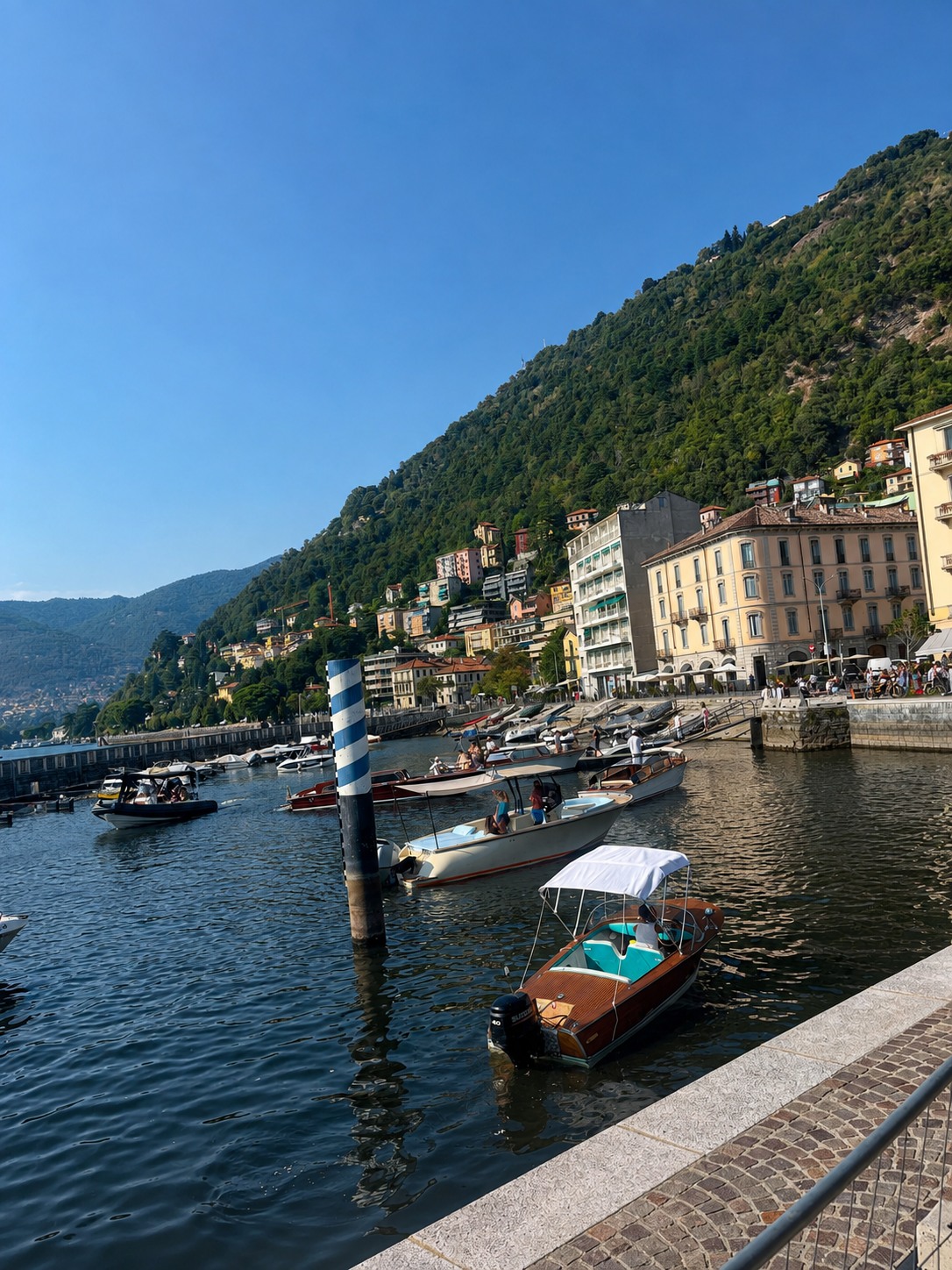
Lake Como’s waterfront rhythm: polished, relaxed and unmistakably Italian. Photo: Diana Melody.
Some journeys feel like two vacations in one. Milano and Lake Como deliver exactly that contrast. One moves with the confident pace of a fashion capital: tailored, architectural and alive well after dark. The other seems to soften the edges of time, replacing city streets with mountain reflections, harbor boats and long afternoons beside the water.
Together, they create an ideal northern Italian pairing: a few days immersed in Milano’s design, culture and aperitivo ritual, followed by a slower chapter along the shores of Lake Como. The distance between them is modest, but the change in mood is wonderfully complete.
Stile in movimento
Milano: Style in Motion
Milano reveals itself in layers. The city’s grand landmarks may command the first look, but its real character is often found while walking: scooters lined against stone fçades, contemporary buildings meeting historic streets, cyclists moving through sunlit piazzas and fashion appearing not only in shop windows, but in the way the entire city carries itself.
For a first visit, the Duomo and the Galleria Vittorio Emanuele II provide the ceremonial introduction. From there, the city rewards wandering. Brera brings art, intimate lanes and a polished bohemian spirit; the fashion district turns window-shopping into visual theater; and the streets around Porta Garibaldi and Corso Como show Milano at its most modern and energetic.
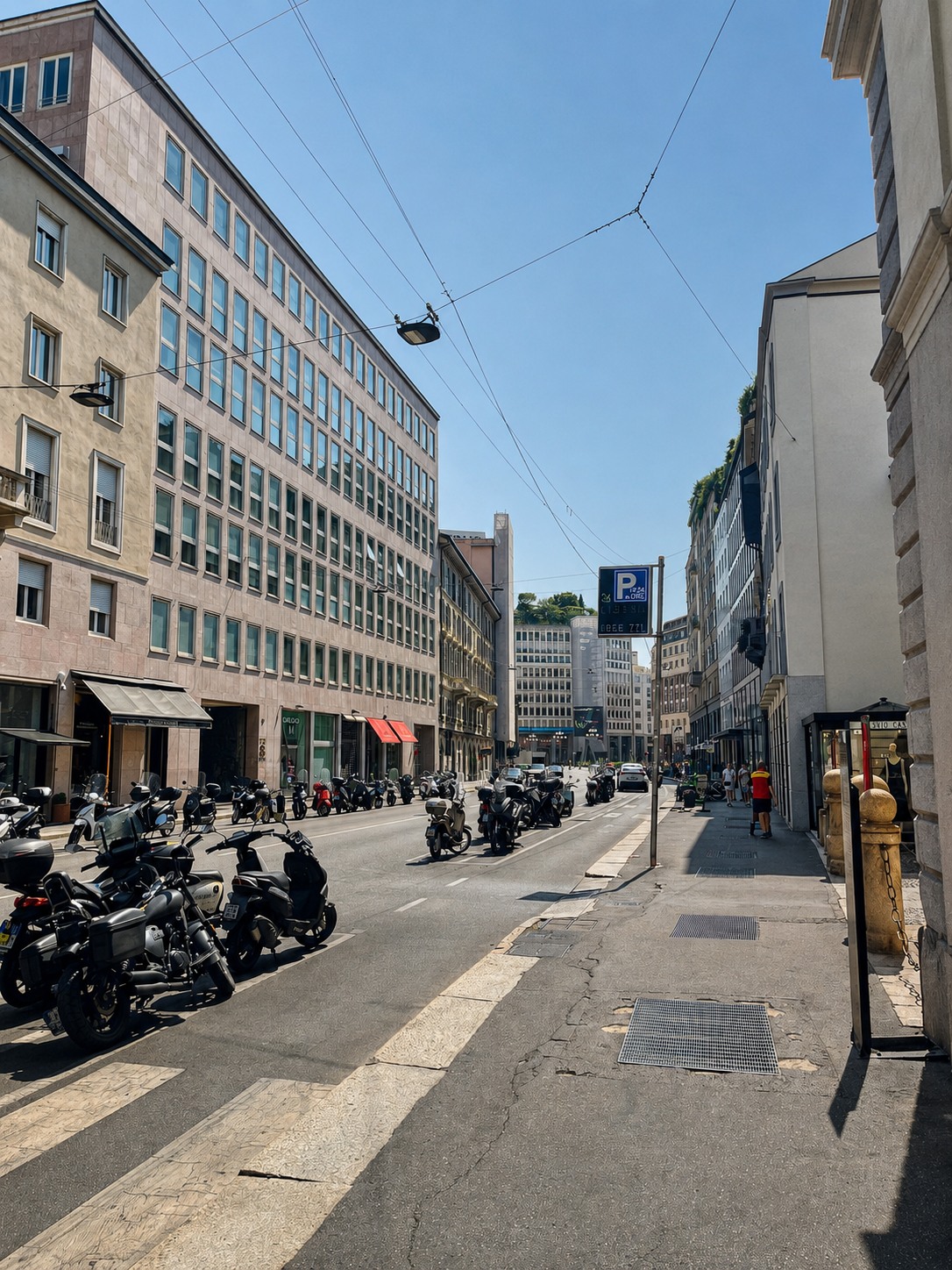
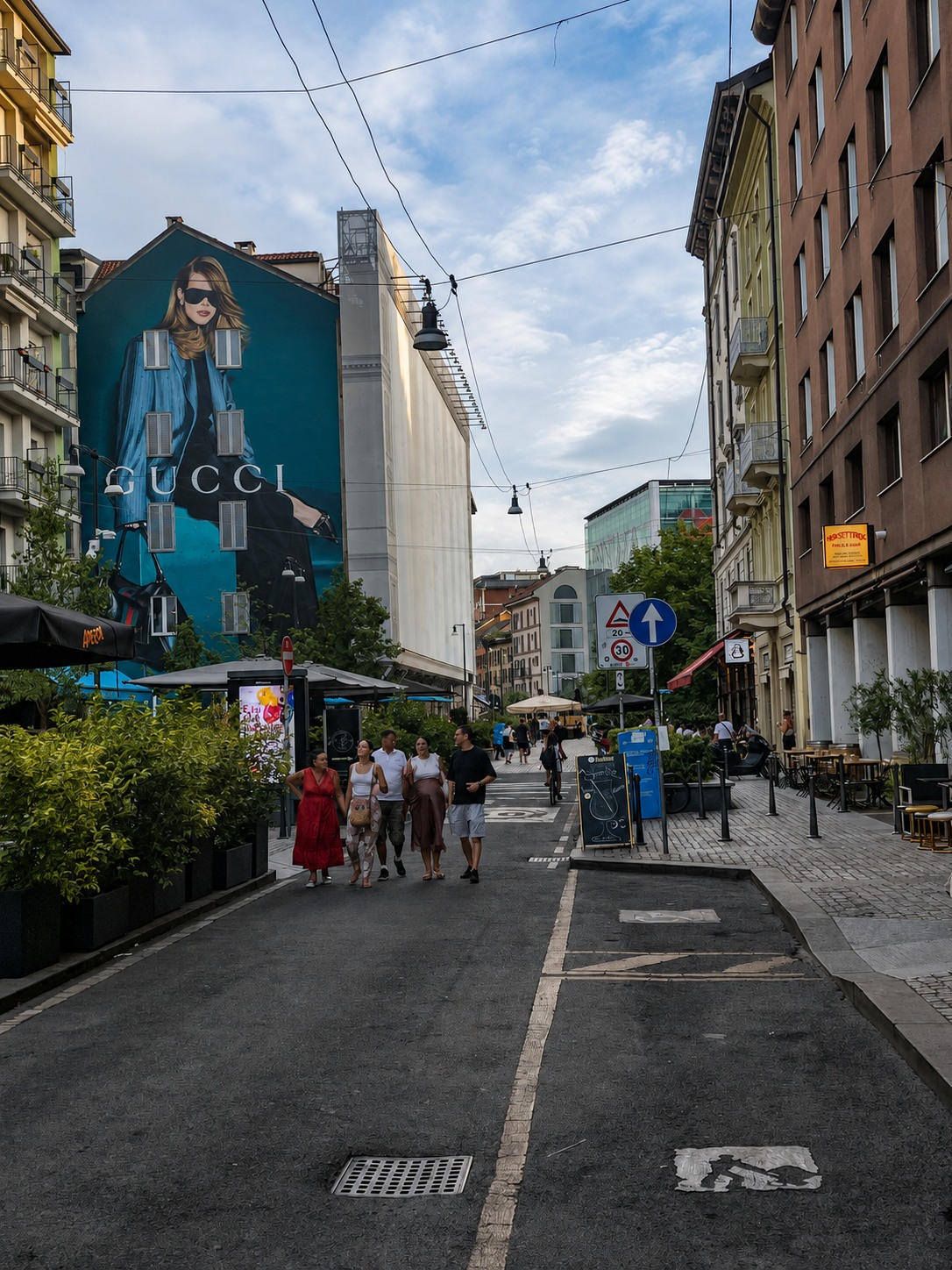
Milano does not simply display style, it moves through it.
L’ora dell’aperitivo
The Aperitivo Hour
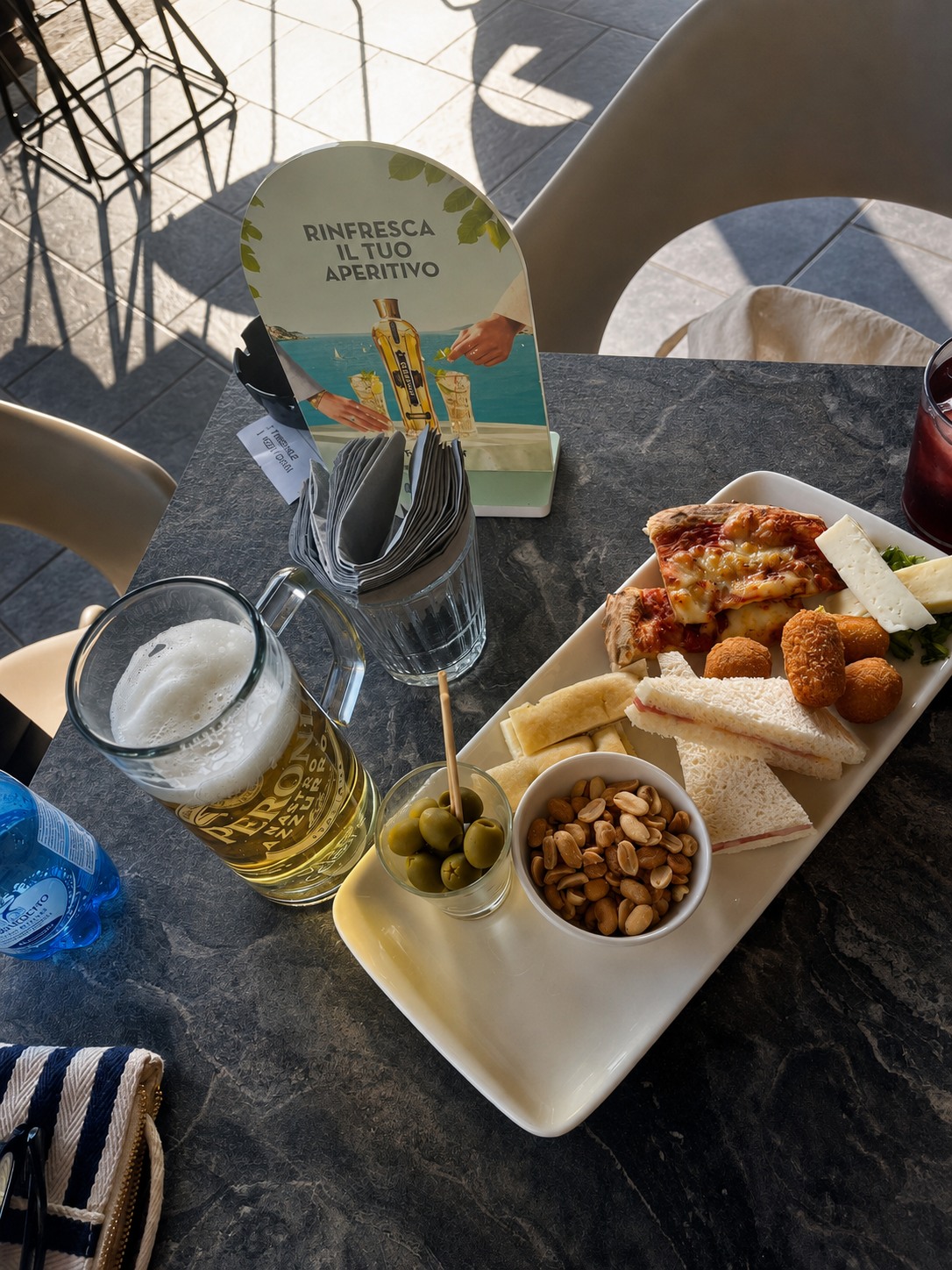
As afternoon light begins to soften, Milano shifts naturally toward aperitivo. It is less a single drink than a daily pause: friends gathering, small plates arriving at the table and the city easing into evening without losing its energy.
Aperitivo is the perfect bridge between sightseeing and dinner. Order something refreshing, share a table of olives, cheeses, breads or pizza, and allow the pace of the day to change. In neighborhoods such as Brera and Navigli, the experience spills onto terraces and sidewalks, turning the early evening into one of the most social and memorable parts of a visit.
Milano di notte
Milano After Dark
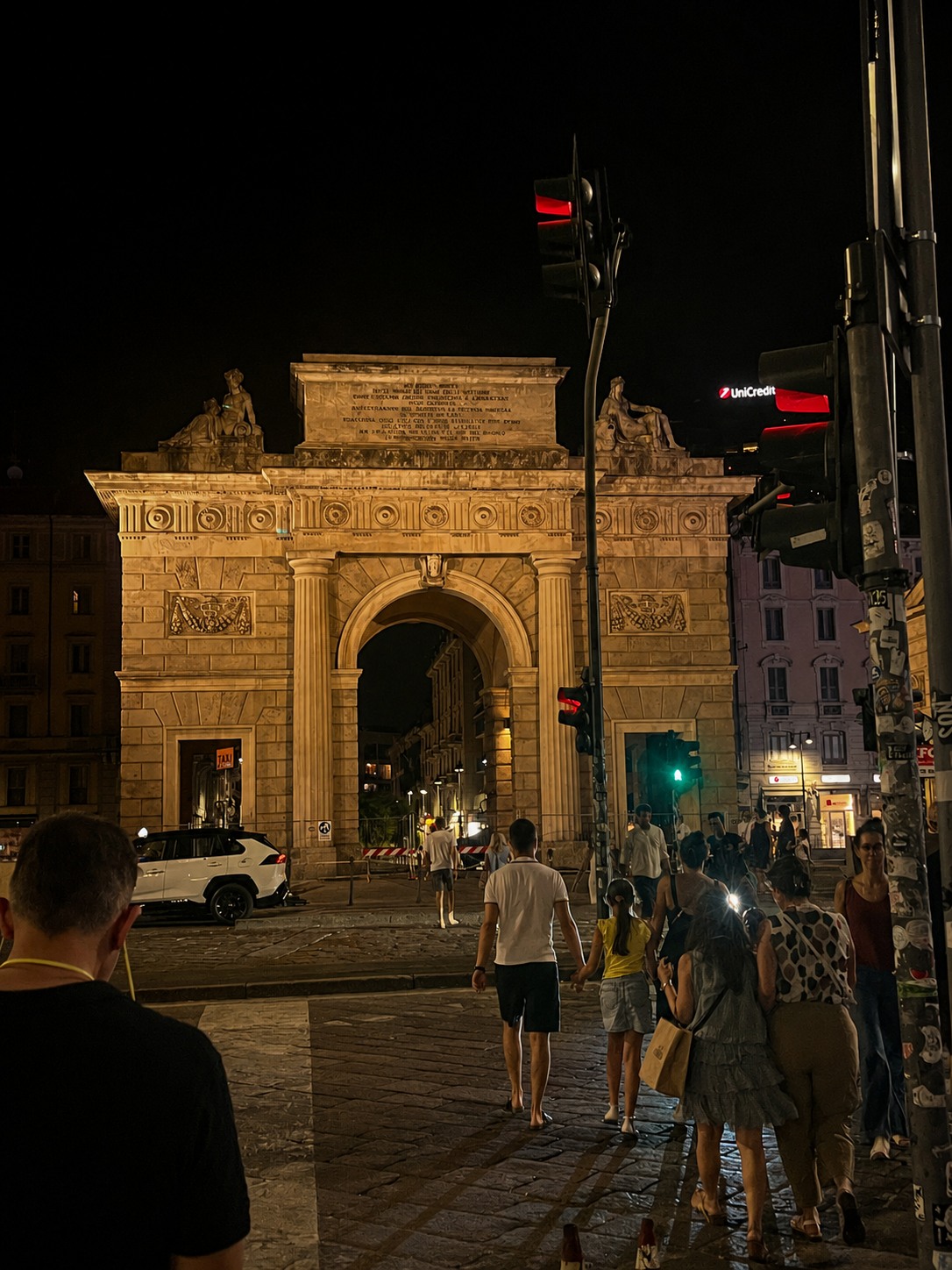
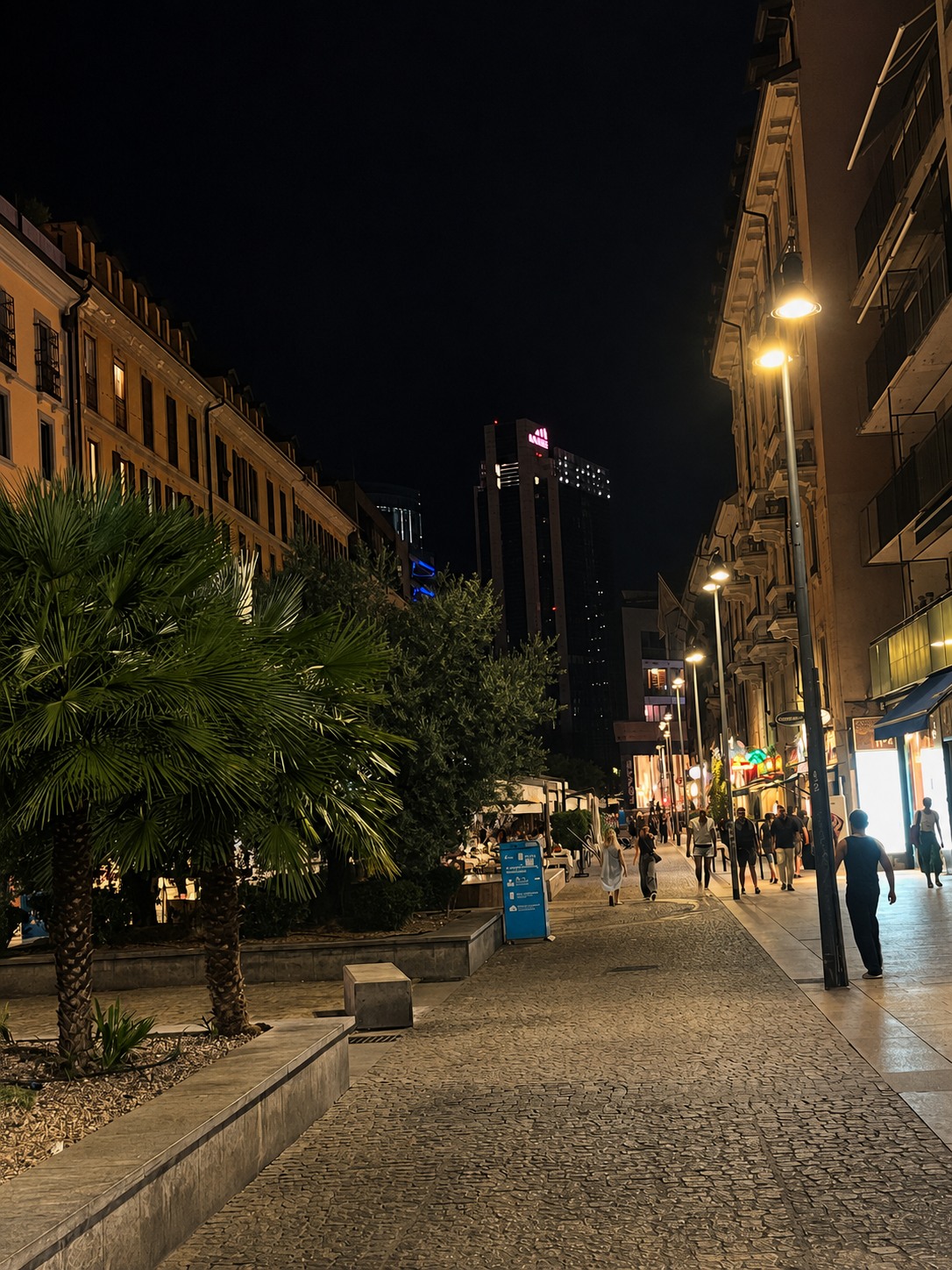
Night gives the city another personality. Historic gateways and fçades glow under warm architectural light, while palm-lined streets, restaurants and late-night foot traffic give modern Milano an almost cinematic edge. This is a city that dresses for dinner, but never feels as though it has stopped working, creating or moving.
The best evening plan may be the simplest: walk without rushing, follow the light, stop for dinner and let the city reveal the contrast between ancient stone and contemporary design.
Dalla città al lago
From the City to the Lake
Leaving Milano for Lake Como feels like an exhale. Urban lines give way to open water, green mountains and towns that climb the hillsides in soft layers of color. The transition is one of the great pleasures of pairing the destinations: the city sharpens the senses, and the lake invites them to rest.
Il lusso della lentezza
Lake Como: The Art of Slowing Down
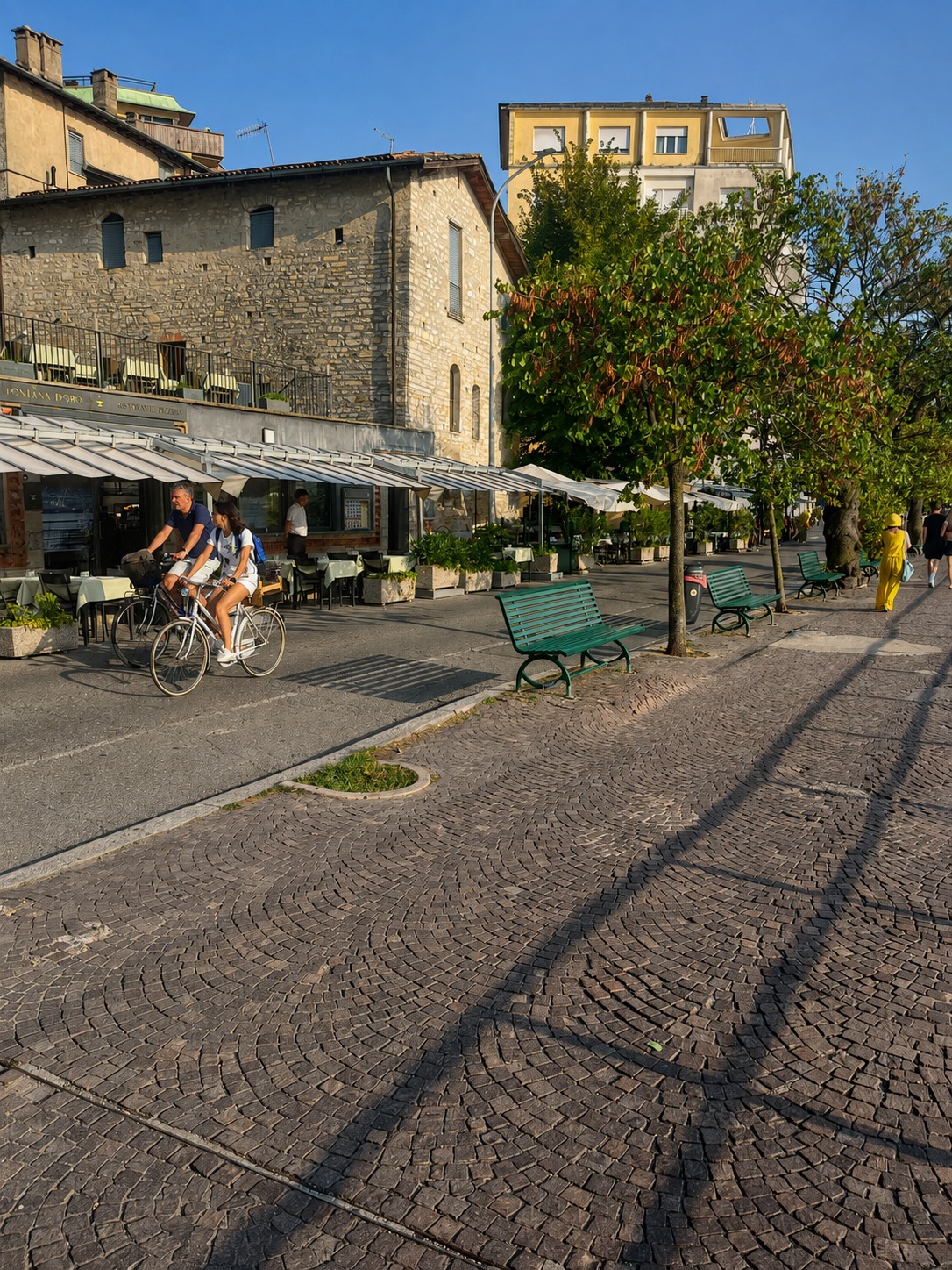
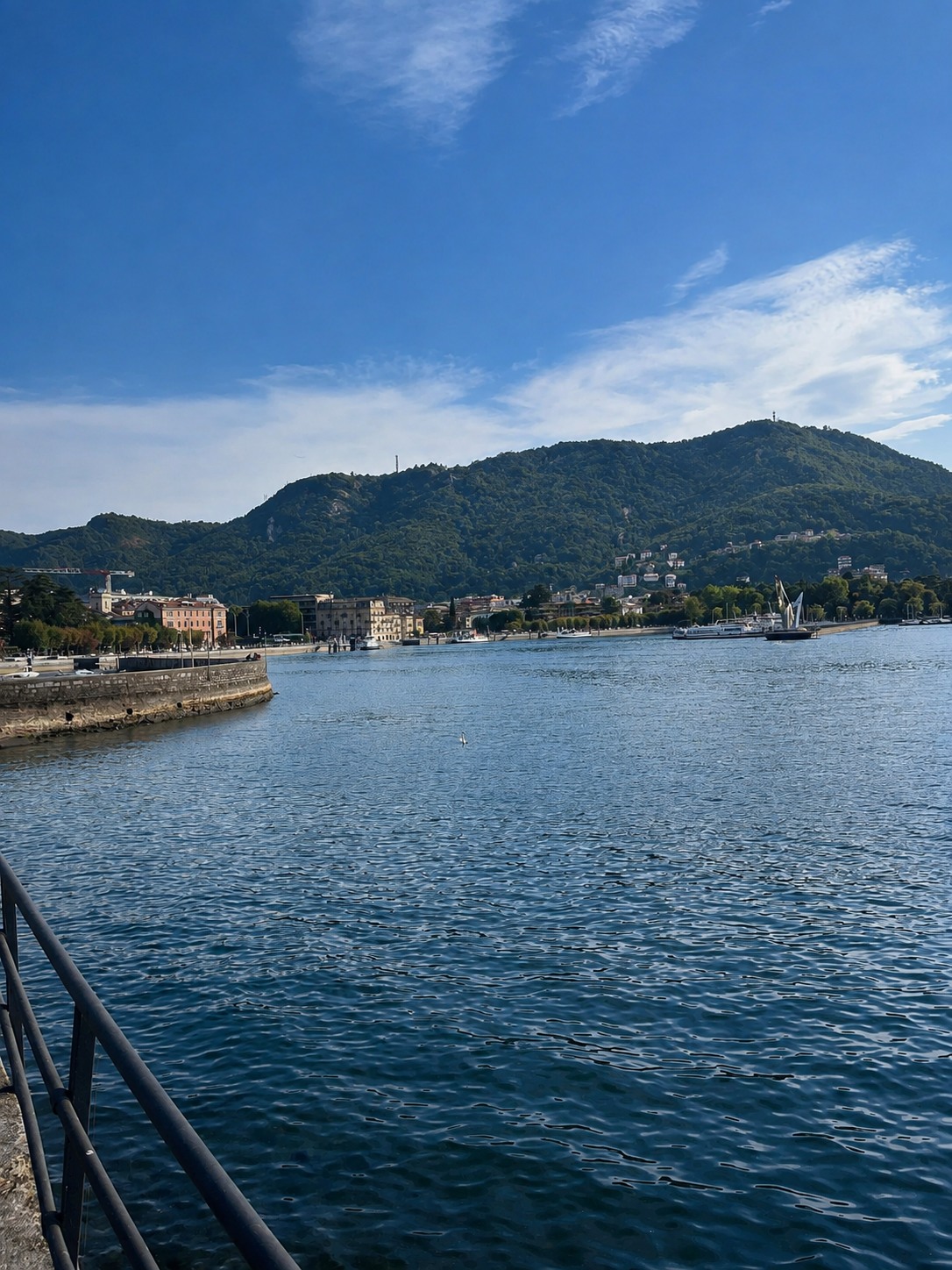
Lake Como’s beauty is both natural and composed. Mountains meet the water at dramatic angles. Historic villas and gardens appear along the shoreline. Wooden boats move between small harbors, while cafés and promenades offer front-row seats to the changing light.
The lake is best experienced from more than one perspective. Walk the waterfront in Como, then take to the water to understand the geography and grandeur of the region. Ferries connect well-known destinations including Bellagio, Varenna, Menaggio and other lakeside communities, making the journey itself part of the experience. Travelers should always confirm the current seasonal schedule before setting out.
Video · no audio
Lake Como in motion: boats, mountains and afternoon light along the waterfront. Video: Diana Melody.
Una giornata sull’acqua
A Day Designed Around the Water
A memorable lake day does not require an overfilled itinerary. Begin early with coffee near the waterfront, stroll before the midday crowds arrive, and leave time for a ferry ride or unhurried lunch with a view. Bellagio is celebrated for its steep lanes and central position; Varenna brings a romantic eastern-shore atmosphere; Menaggio offers an inviting promenade; and Como combines lake access with the conveniences of a lively city.
Whichever towns make the itinerary, comfortable shoes are essential. So is flexibility. Lake travel is at its best when there is room to linger over lunch, wait for the next boat or simply sit by the water and watch the landscape change.
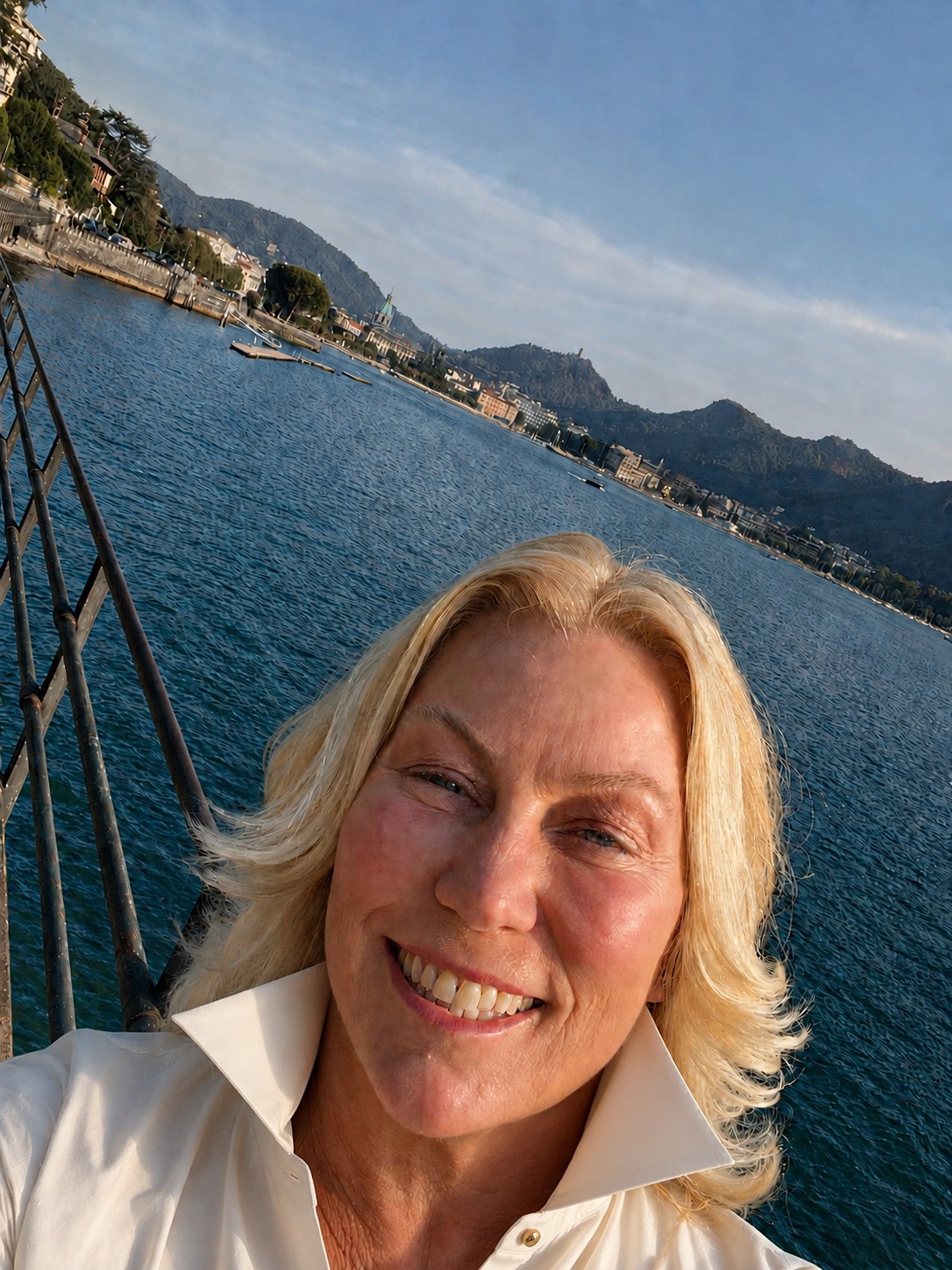
From the Editor at Large
“The lake teaches you to stop checking the time. That is the souvenir.”
Diana Melody
Il taccuino
Diana’s Travel Notes
- Give each destination its own rhythm: reserve time for both Milano's city energy and Lake Como's slower waterfront pace.
- Start popular sightseeing early, then use late afternoon and evening for wandering, aperitivo and dinner.
- Pack polished layers and genuinely comfortable walking shoes.
- Check museum, attraction and ferry schedules directly with official operators before traveling.
- Leave open space in the itinerary. Northern Italy is particularly good at rewarding the unplanned hour.
Plan your visit: YesMilano · Navigazione Laghi, Lake Como schedules
Milano and Lake Como do not compete for attention; they complete one another. The city brings architecture, fashion, food and momentum. The lake answers with space, reflection and a kind of effortless glamour that never needs to announce itself.
Together, they offer a reminder of what the best travel can do: change the pace, sharpen the eye and make an ordinary moment, a walk, a table, a boat crossing, feel worthy of remembering.
City to Coast Contributor
Diana Melody
Travel Editor at Large
“Drawing on 30 years as an American Airlines flight attendant, Diana brings City to Coast readers a firsthand perspective on destinations, hospitality and the experiences that make traveling memorable.”
“Be kind, it doesn’t cost anything.”
Meet DianaFINE
Story and photography: Diana Melody
Editorial presentation: City to Coast Magazine