Wellness
The Body Knows
Greg DelCollo on acupuncture, recovery, stress, and the quiet intelligence of a body given room to heal.
Almost everyone arrives at acupuncture the same way: a little curious, a little hesitant, and quietly bracing for the needles. Greg DelCollo has watched that hesitation walk through his door in West Chester for two decades, and he says the thing people expect is almost never the thing they remember.
“The magic part happens once the needles are in. You get so relaxed.”
Roughly 95 percent of his own patients, DelCollo says, fall asleep on the table. That figure is his observation of his own practice rather than a published statistic, and he offers it with a certain delight, because it makes no intuitive sense at all.
“How does that happen with needles?”
A Fascination With How the Body Works
DelCollo has been licensed since 2005, about twenty-one years at the time of our conversation. He came to Chinese medicine not through philosophy but through sport. He was an athlete through college and played Division I baseball at the University of Pittsburgh, where he earned a bachelor of science in movement science.
The questions he carried were an athlete's questions. How do you get faster and stronger? How do you recover more quickly, and more completely, after an injury? And the one that lingered longest: might some surgeries be avoided altogether?
He grew up in Delaware County, living in Chester, Pennsylvania, until he was twelve, then moving into the Garnet Valley School District. After Pittsburgh, he spent about ten years living and traveling in California, where he studied Chinese medicine, earning a master of science in traditional Chinese medicine from the American College of Traditional Chinese Medicine in San Francisco. He is a licensed Oriental medicine practitioner in both Pennsylvania and California. Then he came back to this region, and set up practice in West Chester.
Letting the Body Participate
What drew him in, he explains, was the idea of tapping the body's own healing response. In his description, acupuncture creates small stimuli, and those stimuli encourage the body to do more of the healing work itself. The needle, in his framing, is not repairing the injury. It is inviting the body to.
His own preference follows from that. Given the choice, DelCollo says, he would rather pursue approaches that, in his view, draw on the body's innate healing ability than rely only on interventions such as surgery or injections. That is his philosophy, and he is quick to keep the boundary intact: when surgery, injections or other medical care are indicated, they can be necessary, and acupuncture is not a replacement for them.
That belief also shapes how the practice describes itself. Its published approach is to treat the whole person rather than simply the one complaint that brought someone through the door.
Film courtesy of DelCollo Acupuncture & Chinese Medicine, as published on the practice website.
What Actually Happens on the Table
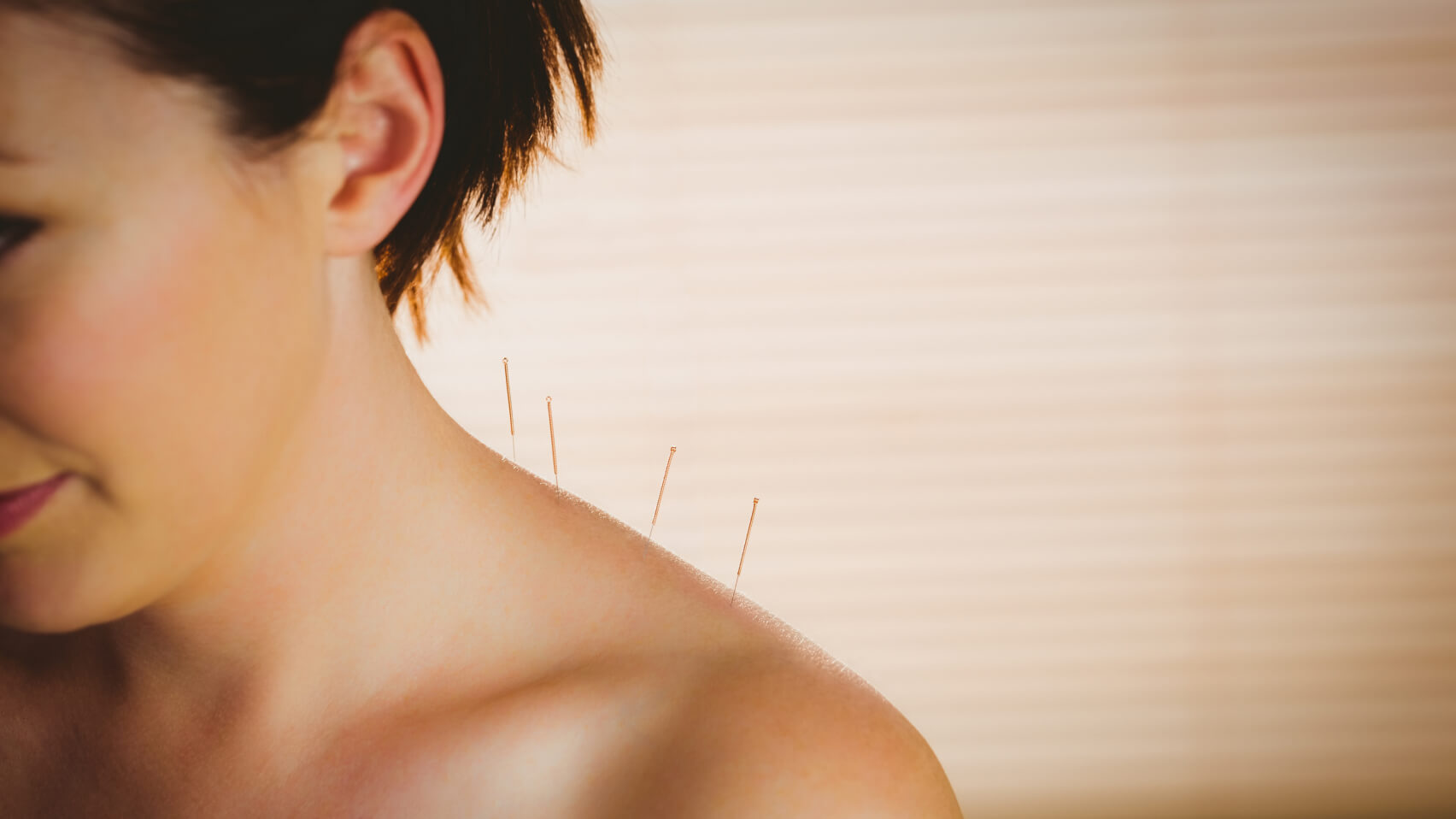
The needles are hair-thin, sterile and disposable, and nothing is reused. Most people, DelCollo says, barely feel them. When there is a sensation, it tends to last roughly five to ten seconds, and he describes it as a heaviness or an achiness rather than a sting.
Then the room goes quiet. Needles generally stay in for at least twenty minutes or so, and the appointment itself may run anywhere from about thirty minutes to an hour and a half, depending on how much acupuncture, manual therapy and consultation the visit calls for.
DelCollo describes himself as more of a general practitioner than a specialist, seeing a wide range of concerns. Among the categories he names most often: pain that has not found relief elsewhere, injury recovery, digestive disorders, respiratory conditions and post-COVID concerns.
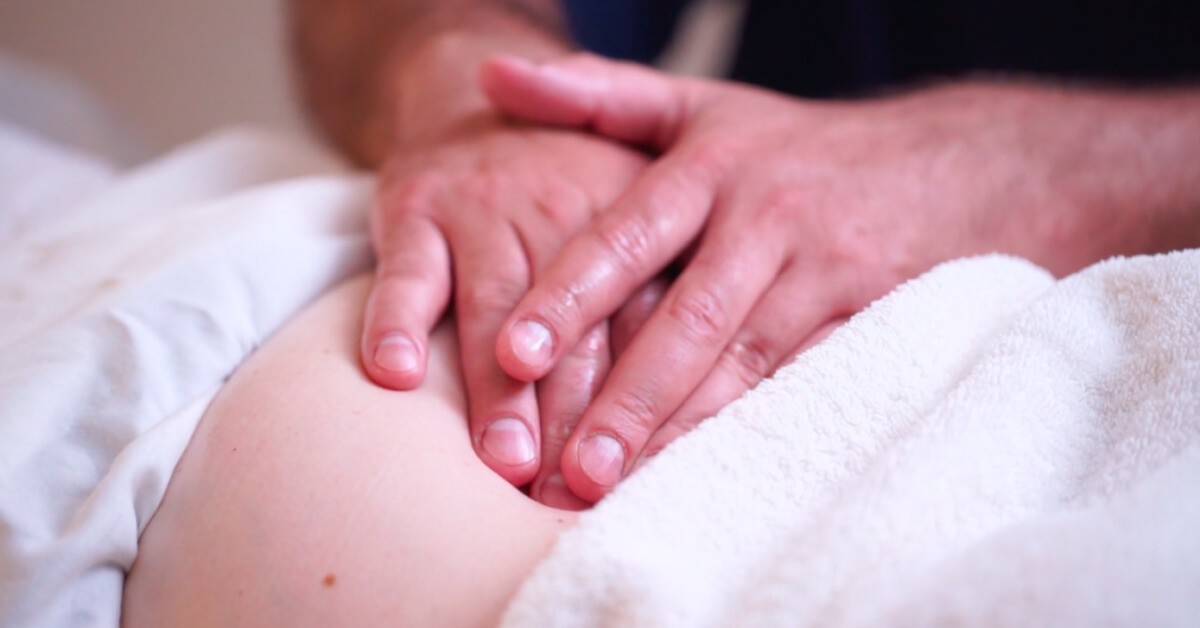
For someone arriving with low-back pain, he might recommend acupuncture and possibly manual therapy alongside it. A minor injury, in his experience, may take fewer than three or four sessions. More difficult situations take longer, and he mentions the traditional idea of a course of eight to ten sessions for the more stubborn conditions.
An Old Medicine That Keeps Evolving
Ask him about new techniques and he calls it a tricky question, because Chinese medicine is in part an effort to keep an older tradition alive. There are so many modalities, he says, that no practitioner can learn them all. What experience buys is sophistication: in diagnosis, in treatment, and in the ability to relate to a patient.
“It’s kind of like fine wine.”
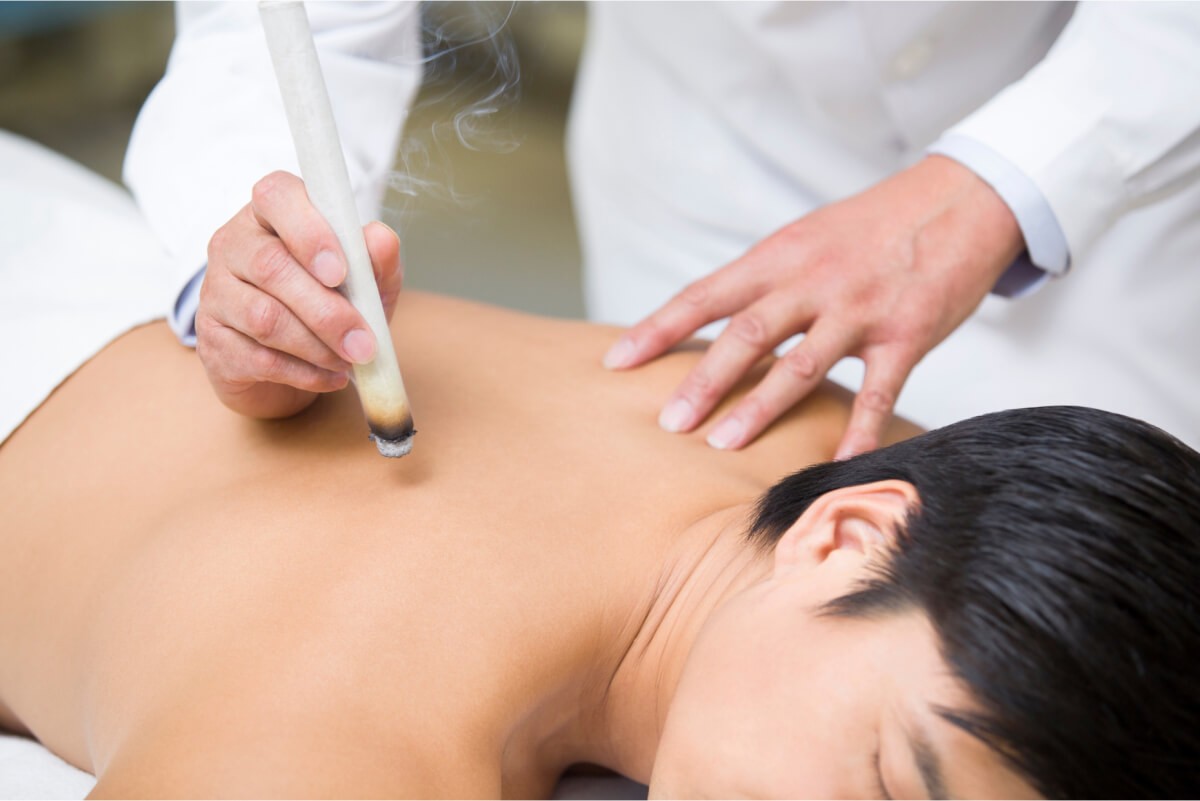
The longer you practice, in other words, the better your discernment becomes. Modern technology can be folded in, he says, and yet some of the strongest tools in the room remain the traditional ones.
He explains that tradition partly through lineage. As he describes it, historical Chinese-medicine families and lineages became known for particular strengths, one for migraines, another for pain, another for digestive disorders, with those skills once held closely within families and shared far more broadly today.
Some of those families, in his telling, guarded their specialized methods closely, and he believes that secrecy served a practical purpose: it helped ensure that different members of a family retained a useful role as they got older. That is Greg's account of how lineage knowledge was passed along, offered as the understanding handed down inside the tradition rather than as an independently documented history.
The Rhythm of Wellness
Asked, half-jokingly, what enhances his powers, DelCollo does not reach for a technique. His powers, he says, are enhanced by recognizing the natural rhythms of life and living in accordance with them.
In practice that means going to bed as the day winds down and waking with the day. Three healthy meals. Attention to nutrition. Breathing exercises. The body works better in rhythms, he says, rather than in an all-or-nothing pattern such as working twenty-four hours a day. Balance, in his telling, begins with the cycles of sleeping and eating.
He returns often to breathing, and to how many people unknowingly hold their breath. Part of his broader philosophy is that chronic patterns of held breath and internal stress take a toll on health over time and can eventually contribute to disease. He offers that as philosophy, not as proven causation.
The Mind Is Part of the Treatment
DelCollo believes acupuncture can help with stress, and says some people leave a treatment in a clearer mental state. In his own words, he thinks a treatment may “open up the mind to different states of consciousness.” He is careful about what he means by that. He is explicitly not describing a drug-induced state. He compares it instead to an ordinary daily difference: being barely alert in the first moments after waking, and being far more fully alert later on.
In his experience, patients sometimes arrive at insight on the table, about their health, their well-being, or a problem they had been carrying. Some realize they had been holding stress they never recognized. Treatment, as he puts it, can “create some clarity.” That is his observation and his philosophy rather than a psychiatric or neurological claim.
He extends the same thinking to the body. Acupuncture, he believes, can help the body's systems work more efficiently and bring a person closer to what he calls an optimal range. That is Greg's belief about how the medicine works, not established physiology.
“There’s no separation between mind, body, and spirit in Chinese medicine. They all affect one another.”
How Much, How Often, Who Is It For?
Is acupuncture for everybody? His first answer is personal and immediate: yes, he thinks everyone could benefit. His second answer arrives just as quickly, and he does not want it lost. Not every modality is right for every single person. Some people are highly sensitive, and some may react poorly to a needle.
He believes acupuncture can serve as a supportive tool across a very wide range of concerns, and the example he reaches for is not pain at all but allergies. Still, he says most, not everything, and he keeps the boundary plain: severe trauma may require surgery. Current research evidence also varies by condition.
Beyond the Treatment Table
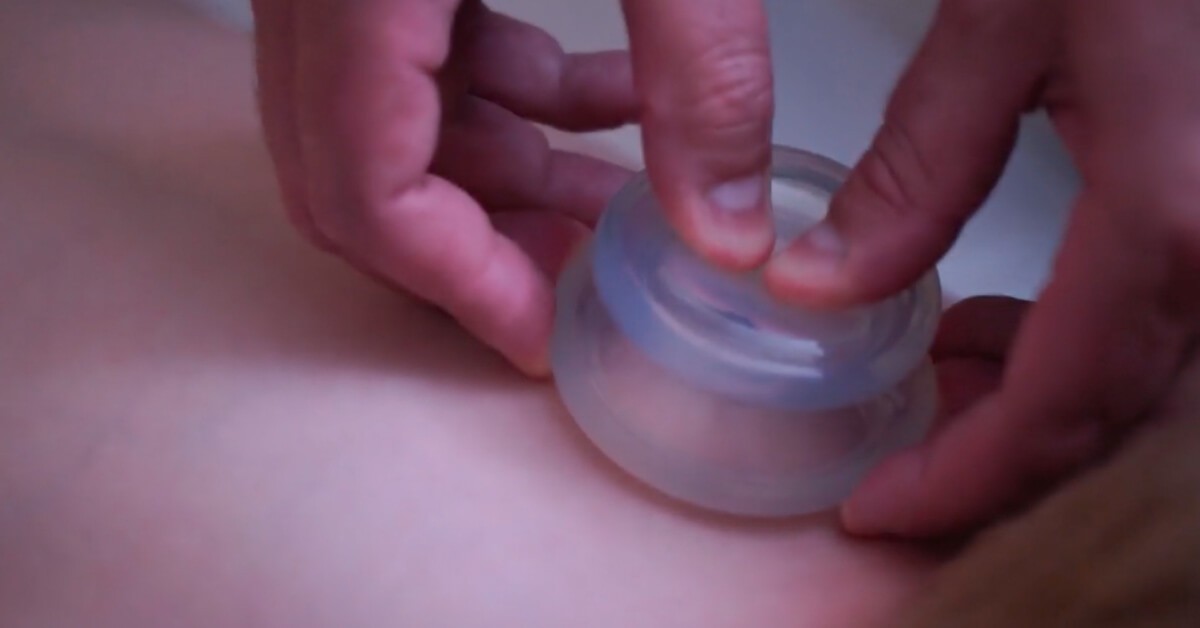
Once a month, DelCollo teaches qigong at the clinic. The class runs about two and a half to three hours. He spells the term out in conversation, qi, or chi, plus gong, and describes it as a form of slow-moving martial arts combined with internal breath work, massage, gentle stretching and exercises. In his framing it supports health and longevity, and it pairs naturally with acupuncture.
The Method
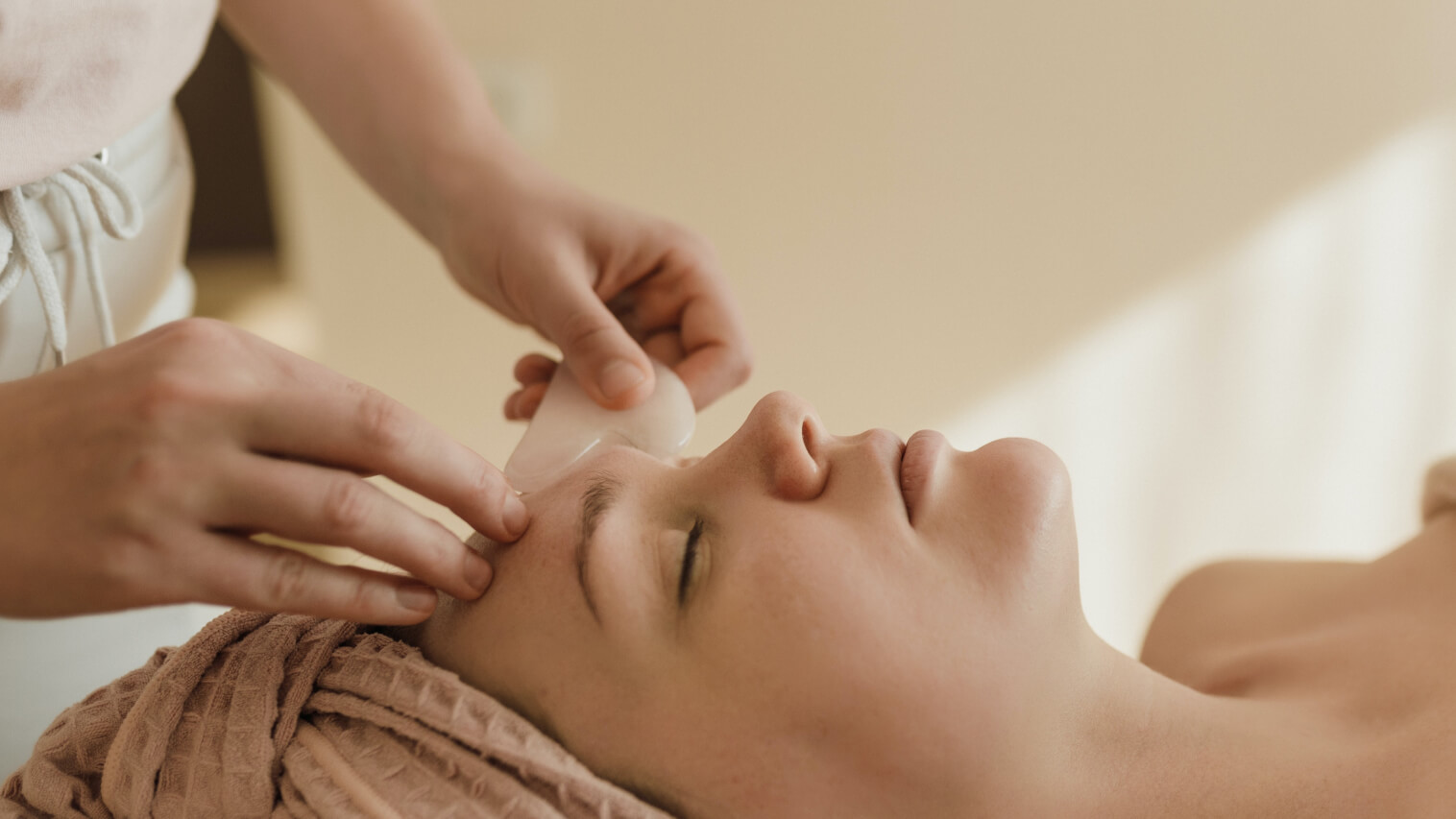
Gua Sha
A traditional manual therapy using a smooth-edged tool along the skin, offered as part of DelCollo’s broader Chinese medicine practice.
Explore Gua ShaWhat People May Not Know
Acupuncture has become steadily more mainstream, DelCollo says, and he measures the shift by memory. When he started roughly twenty years ago, the list he associated with World Health Organization supported and studied uses of acupuncture was, as he remembers it, “like five things.” Today he sees a far broader range of conditions being studied. The framing deserves care: a longer list of studied uses is not a blanket proof of effectiveness, and current evidence has to be assessed condition by condition.
What he still notices most is the hesitation. Many people remain nervous about the needles, he says, and often have no idea how relaxing the experience can be. That, for him, is the whole point. “The experience is what you’re looking for,” he says. If it is appropriate for you, try it, because imagining a treatment is not the same as having one.
“It’s like going on vacation as opposed to seeing a picture.”
You can study the photograph as long as you like. It is not the same unless you are there.
A Note on Evidence and Care
Research on acupuncture points to benefit for some pain conditions, and it has been studied for many others, with the strength of the evidence varying by condition. National health guidance notes that serious complications are uncommon when acupuncture is properly performed, while improper or nonsterile technique can cause serious harm; needles sold in the United States are required to be sterile and single-use. Acupuncture is not a replacement for indicated medical care. Persistent or severe symptoms should be evaluated by an appropriate healthcare professional. Review the evidence and safety overview.
Publisher’s Note
As we get older, perhaps wellness becomes less about chasing the past and more about staying present. Keep the body moving. Keep the mind moving. Lighten the load where you can. The problems in front of us become easier to manage, and the problems behind us begin to feel a little farther away.
DelCollo Acupuncture & Chinese Medicine
842 E Street Road, Second Floor · West Chester, PA 19382
484-888-3326 · info@delcolloacupuncture.com