Pilates Editor · The Editorial Profile
A Beautiful Form of Living
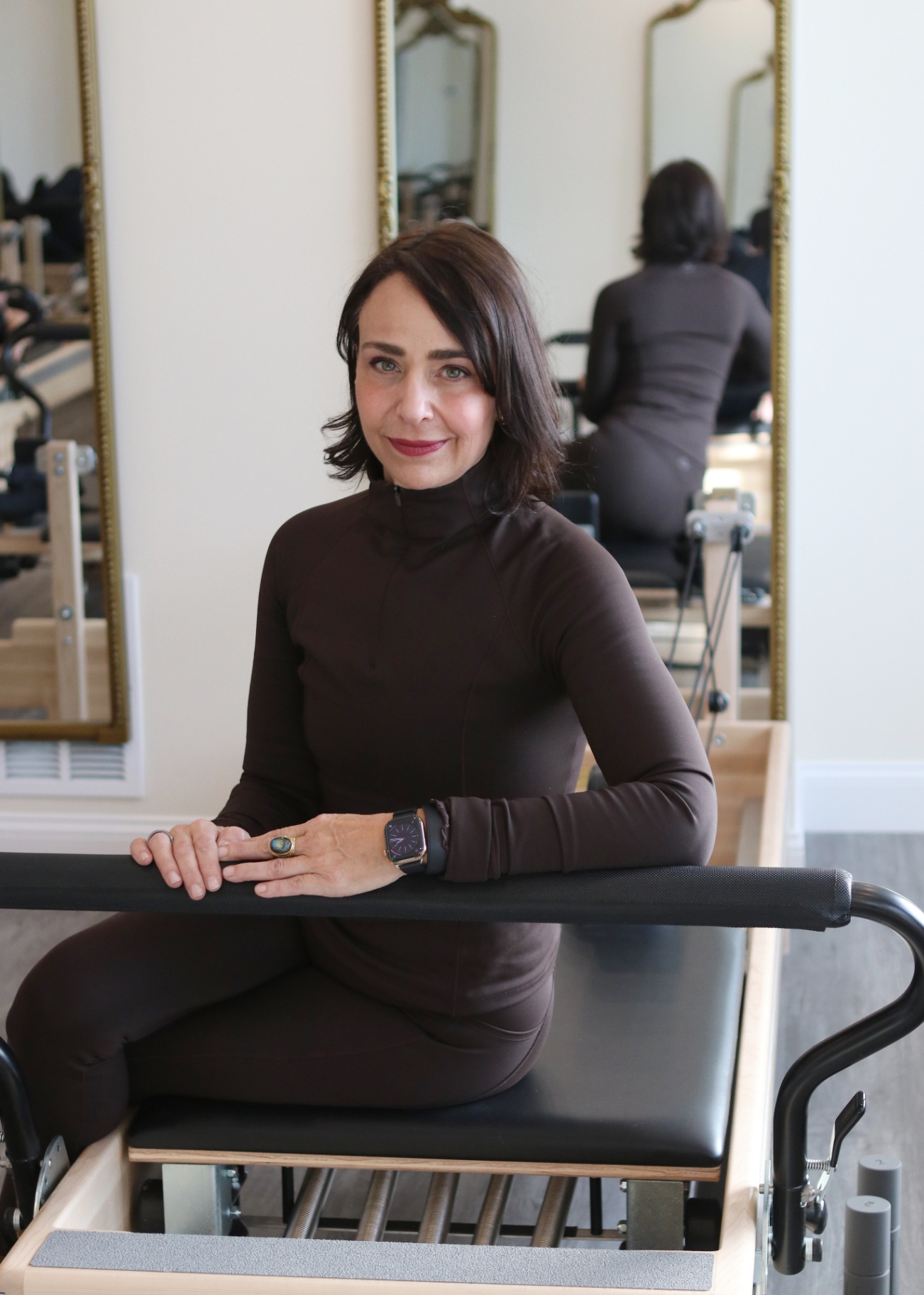
After nearly three decades inside Delaware's banking and political establishments, Amy Silvestri, founder and owner of Bella Forma Pilates, walked away from the corner office to build the studio she could not find. Inside Wilmington's first true wellness address.
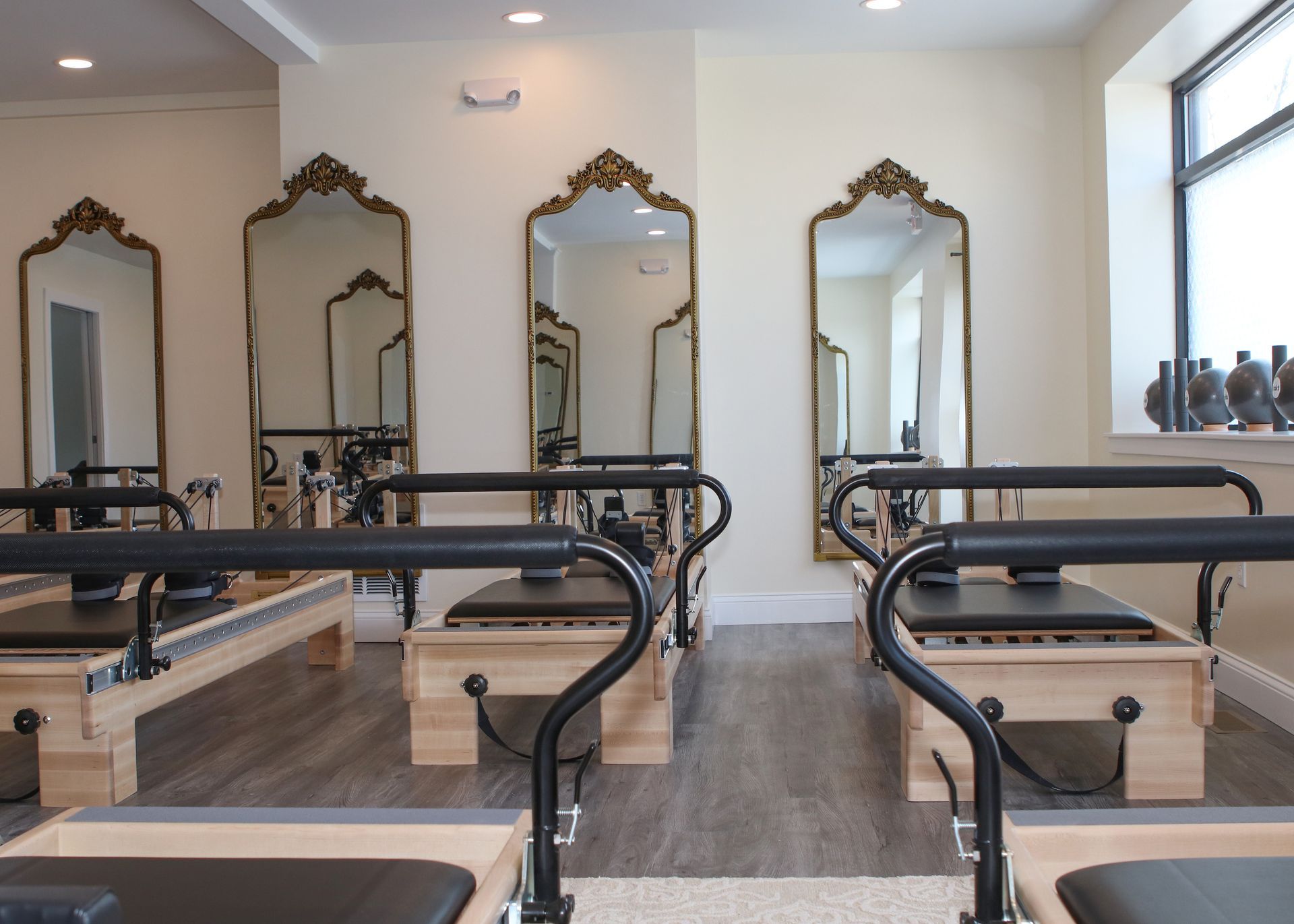
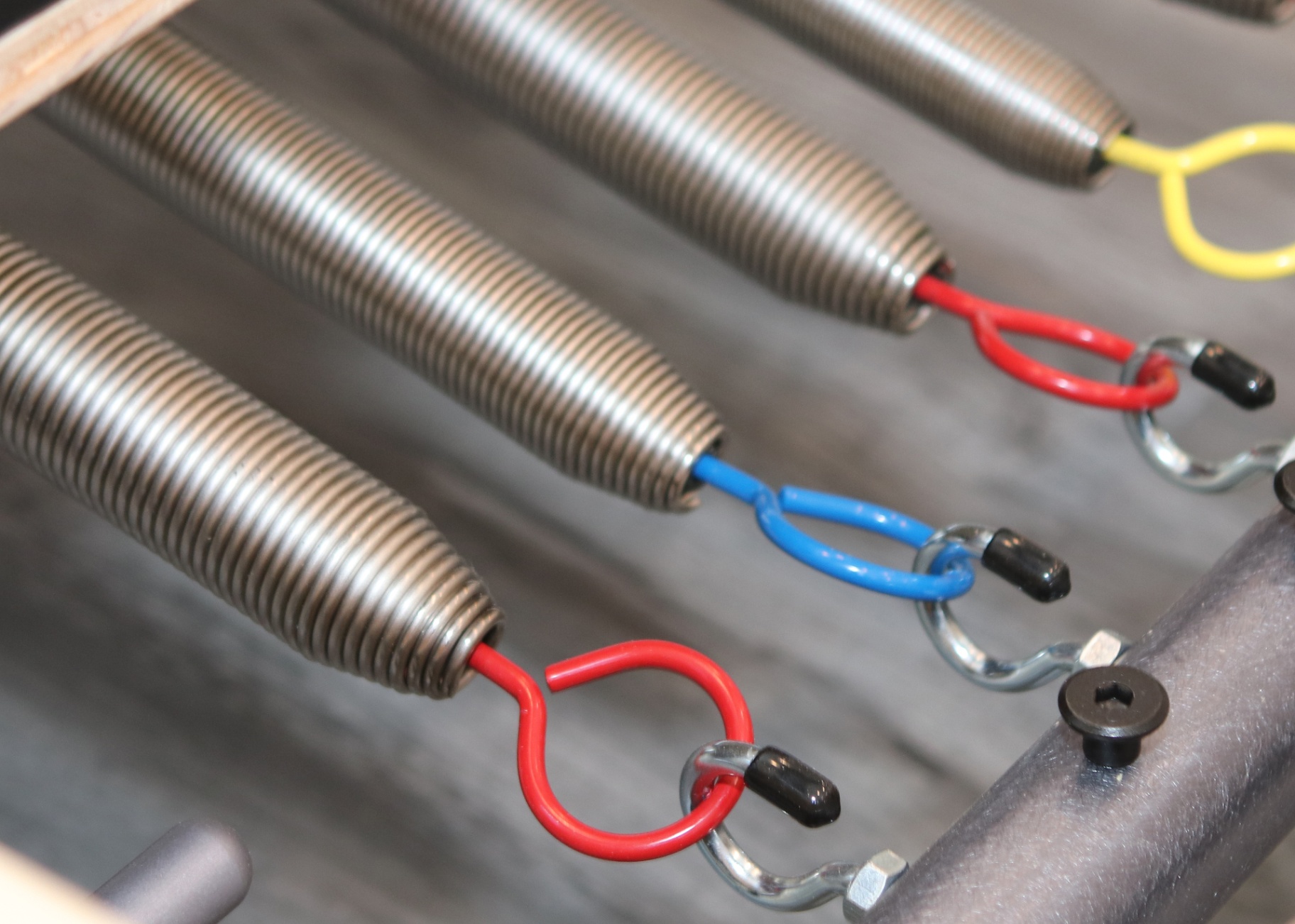
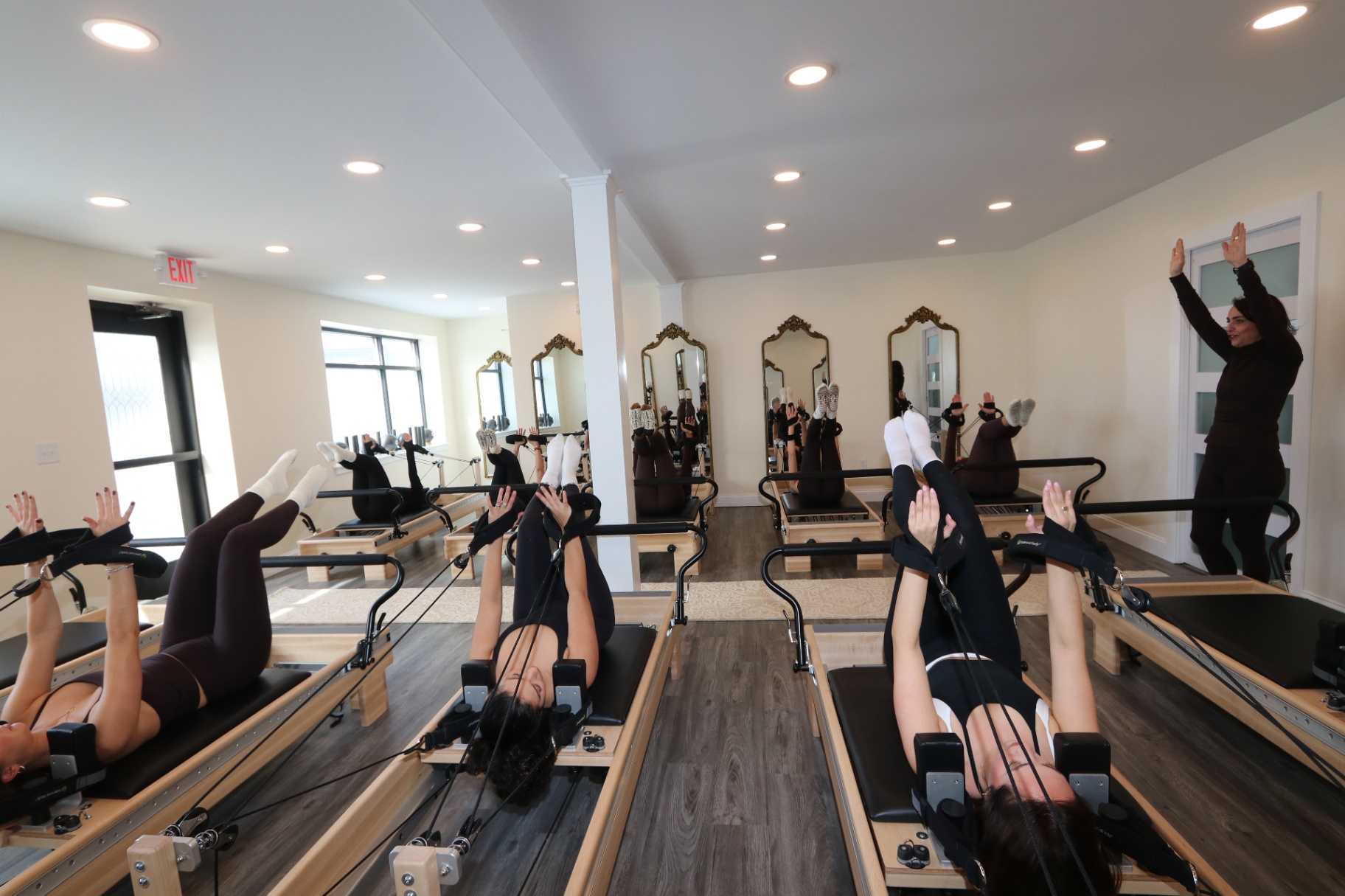
At six in the morning, the studio is already breathing. Concord Pike has yet to wake; the trees beyond the windows are still a charcoal sketch against the early Wilmington sky. Inside, a row of pale wood reformers waits in formation, their leather straps coiled with the precision of a cellist's bow. Amy Silvestri, founder and owner of Bella Forma Pilates, is on the floor, calibrating the spring tension on a carriage that will, in twenty minutes, carry someone through their first hour of the day. She is not tired. She is, by every visible measure, exactly where she is supposed to be.
That she should be here at all, barefoot at dawn in a studio she designed, in a building she signed for in November and opened in February, is the kind of late-act reinvention that, in a less considered telling, would read as a midlife pivot. It is not. It is the careful, almost surgical conclusion of a thirty-year audit, performed quietly while the rest of the room was watching her run someone else's business.
The Long Apprenticeship
Silvestri's curriculum vitae reads like a tour of the institutions that built modern Delaware. She majored in political science at the University of Delaware, worked for Congressman Mike Castle while still in college, and took her first job after graduation in the office of United States Senator William V. Roth. She remembers it as one of the favorite jobs of her life. From the Capitol she moved to Dover, to the state insurance commissioner's office, where she lobbied on behalf of the industry.
From Dover she moved to MBNA, later Bank of America, where she spent her first year inside the company's management development program, the rotational track designed to produce its next generation of leadership. For the next fifteen years, she did everything.
Human Resources · Customer Service · Advertising · Marketing · Corporate Communications · Relationship and Vendor Management · Finance · Risk Management · Government Relations
She managed her own profit-and-loss statements and ran businesses within the business. By the time she left banking, after tenures at Citi, Barclays, and Wells Fargo, she had spent nearly three decades inside the industry, and had become the rare executive who could, if pressed, hire her own staff, write her own marketing plan, manage her own books, and open her own location, all without subcontracting a single line.
"Opening this," she says, gesturing to the room around her, "is not difficult. It is very strange. I feel like I know how to do all of it." She pauses. "I thought it would be more challenging."
The List
The conventional story of the corporate exit holds that the departing executive emerges with a fully formed second act in hand. Silvestri's was quieter, and far more interesting. When the timing of her departure became unavoidable, two of her direct supervisors retiring within months of each other, she did not open a studio. She made a list.
"I spent a lot of time," she says, "trying to figure out what I was good at, what I loved to do, and how I could make that a business." The list, when she finished it, contained three items.
I went to Pilates. I love doing Pilates. It is the only exercise I have ever liked to do, and I have stuck with it my entire life. On vacation, I find a Pilates studio. My body just feels like it needs it.
The first item was coffee. During the pandemic, she had taught herself to pull espresso and named the operation Bru-Mama, a one-woman, no-profit concern that took drink orders by text from her neighbors at the beach in Rehoboth, where she keeps a second home. The college kids on their way to bar shifts at Obie's would text ahead. "Brew Mama open?" Yes. She would deliver. It was, she says, the most fun she had had in years.
The second was Pilates, the only form of movement she had ever genuinely loved, the practice she would seek out in unfamiliar cities the way other travelers seek out restaurants. The third was style. She was the friend her friends called when they had an event and nothing to wear. She had been shopping for other women her entire adult life.
Coffee. Pilates. Style. Three honest answers to the question of what filled a perfect day. The architecture of Bella Forma Pilates. Pilates as part one, Café as part two, Style as part three, is, in this sense, less a business plan than an autobiography.
The Building on Concord Pike
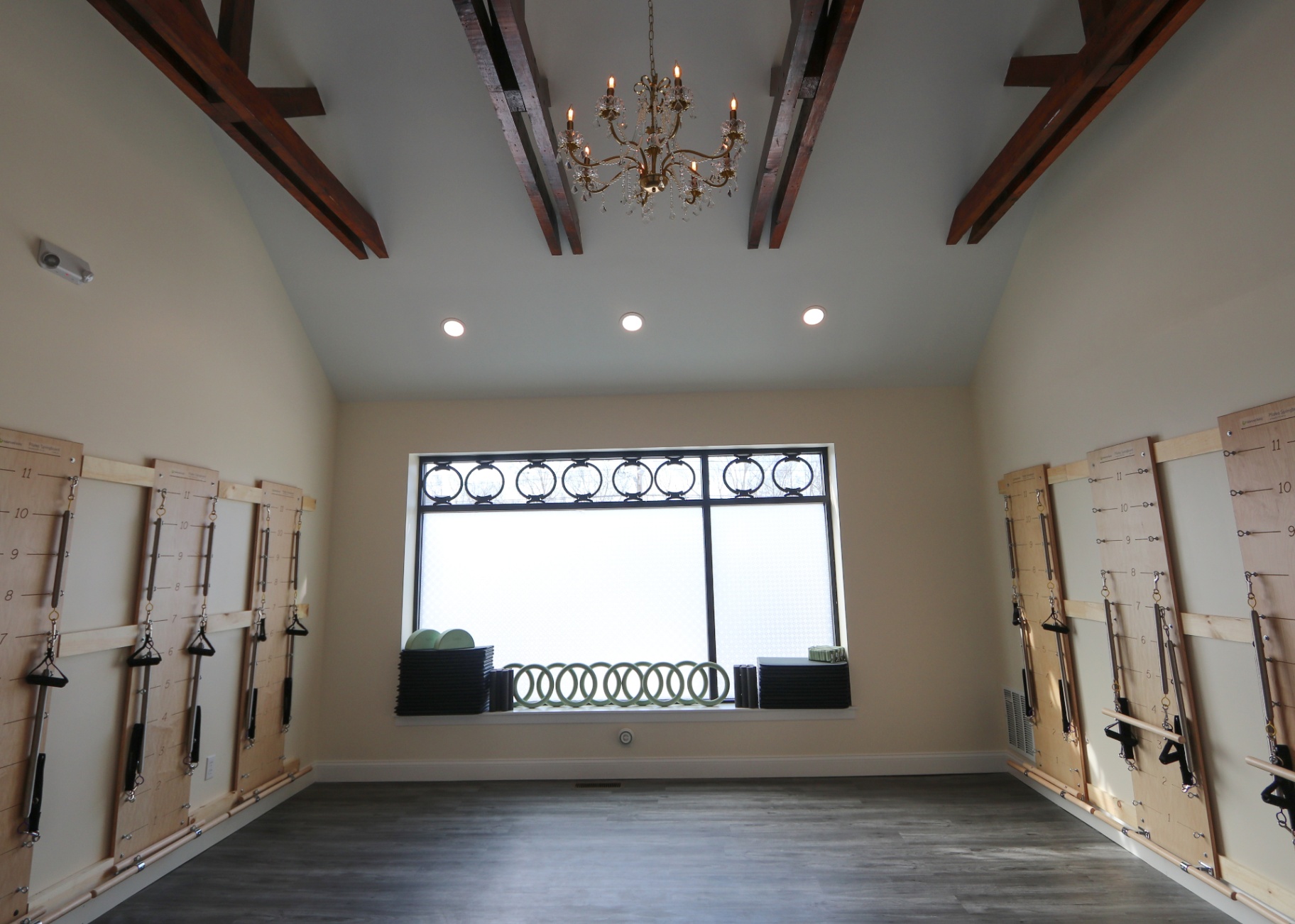
She drove past the building on a Tuesday in November. By the end of the week she had called a friend in commercial real estate. By the end of the month she had signed the lease. The space, when she took possession, was an open shell, a wide, addition-built room with no interior to speak of. She measured it down to the inch, plotting how many reformers she could thread into the main studio while leaving every client enough air to breathe.
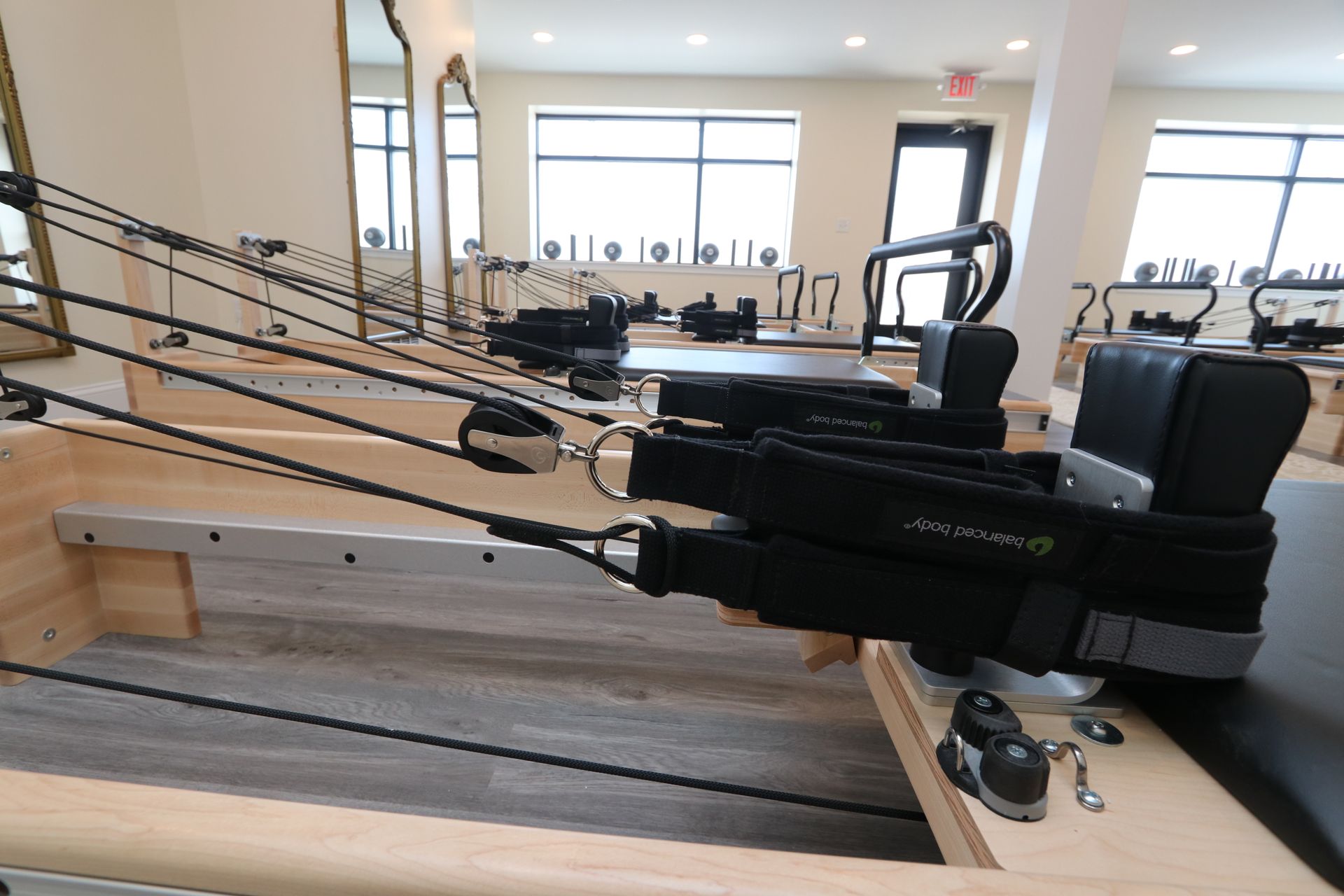
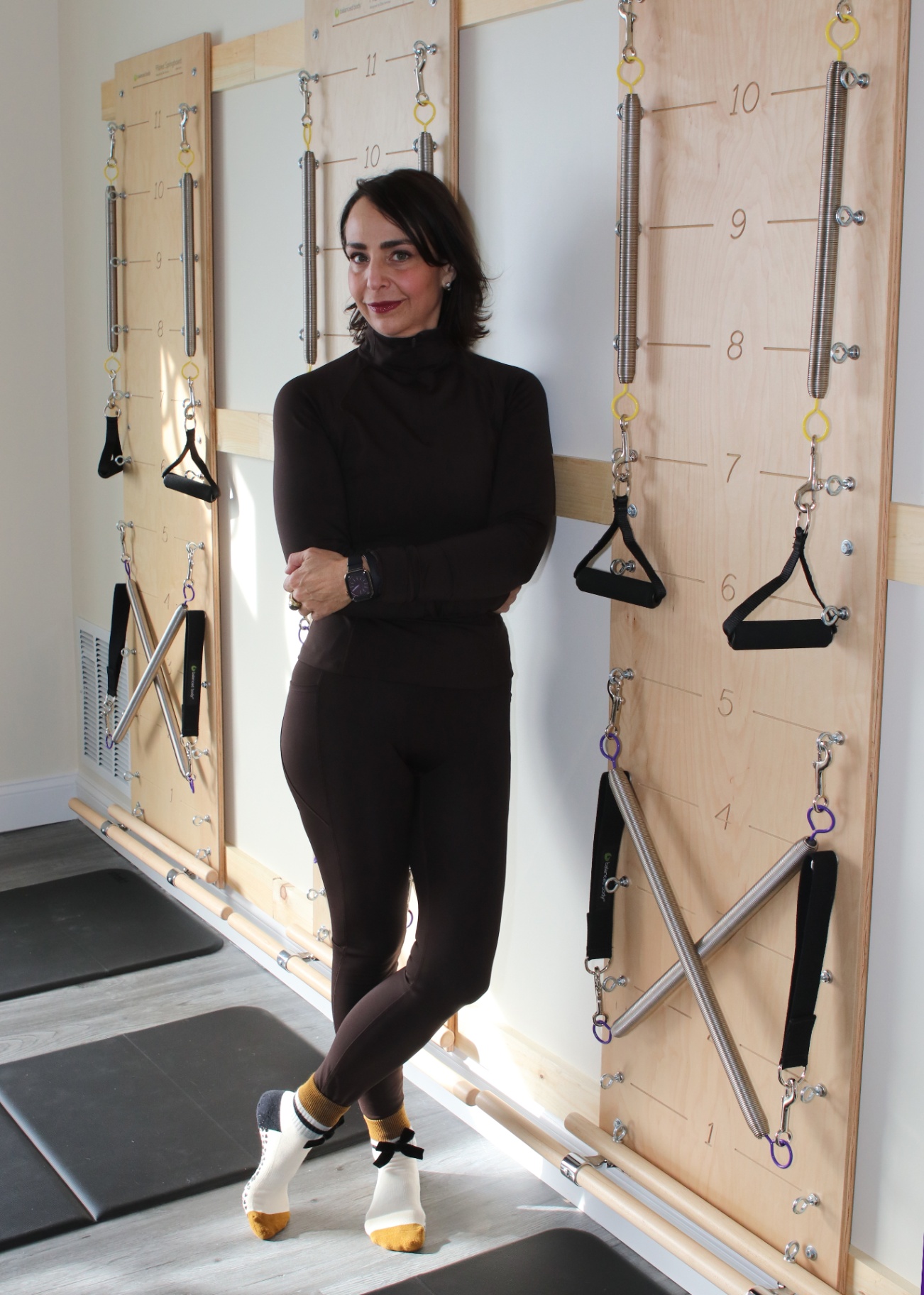
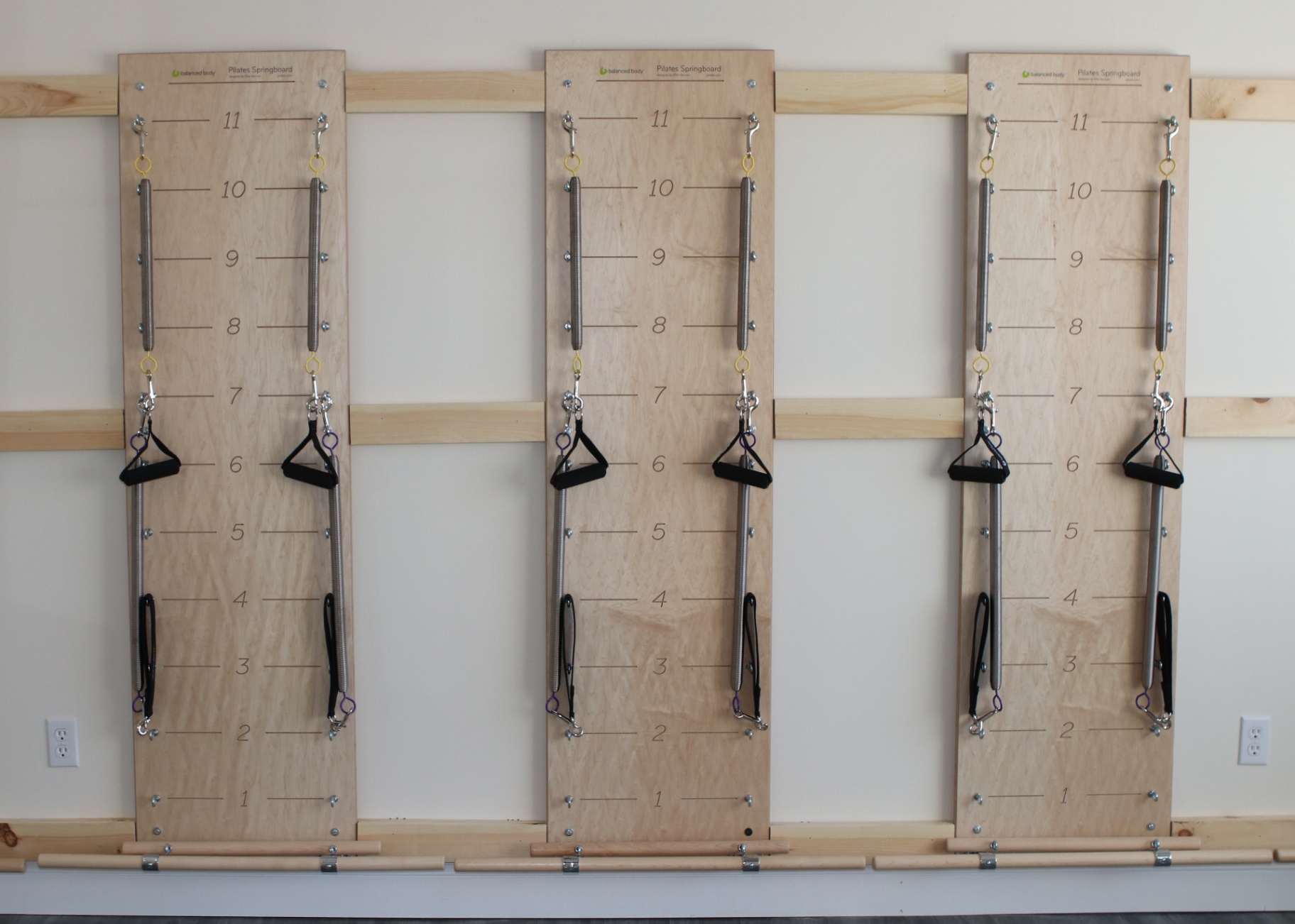
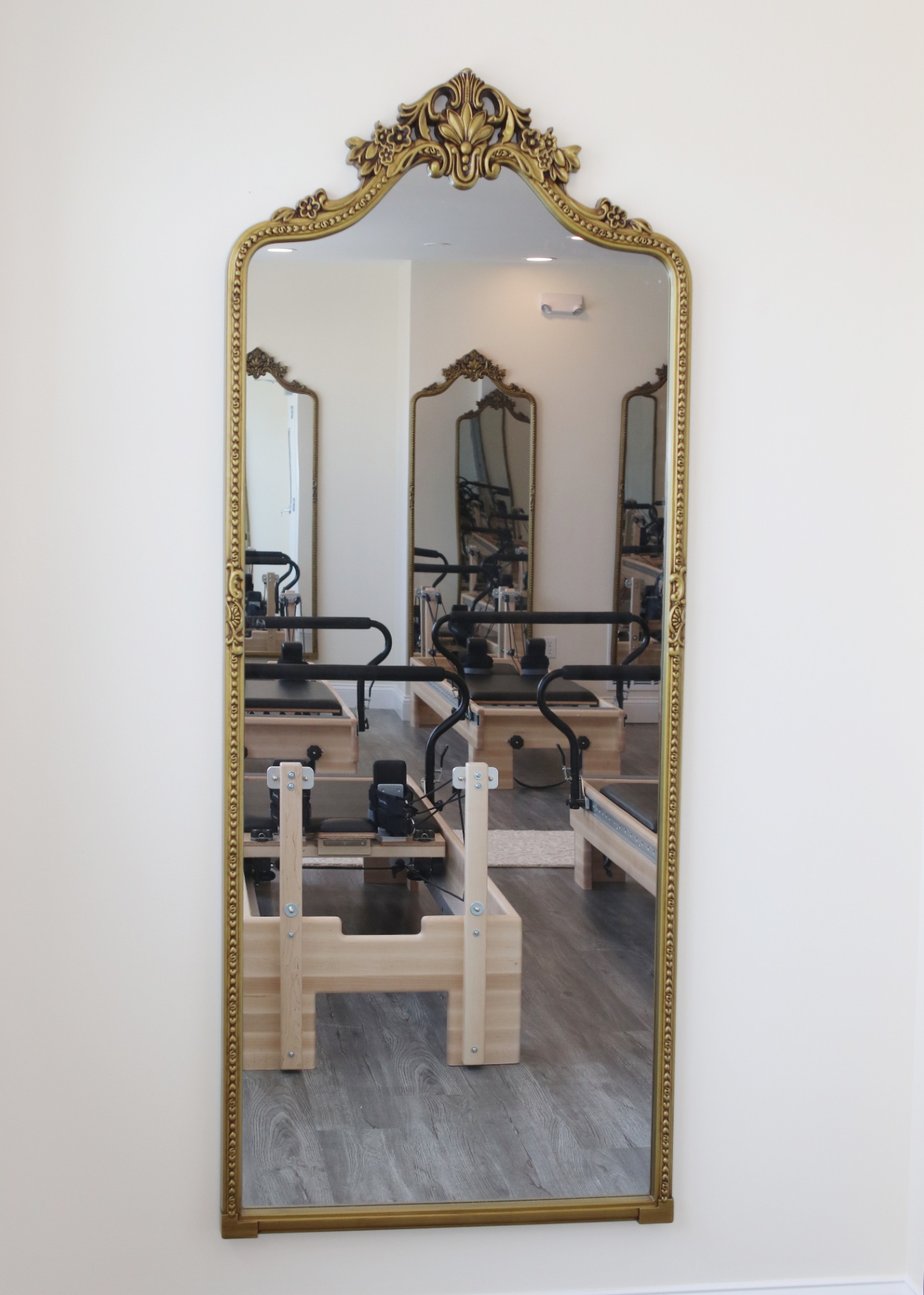
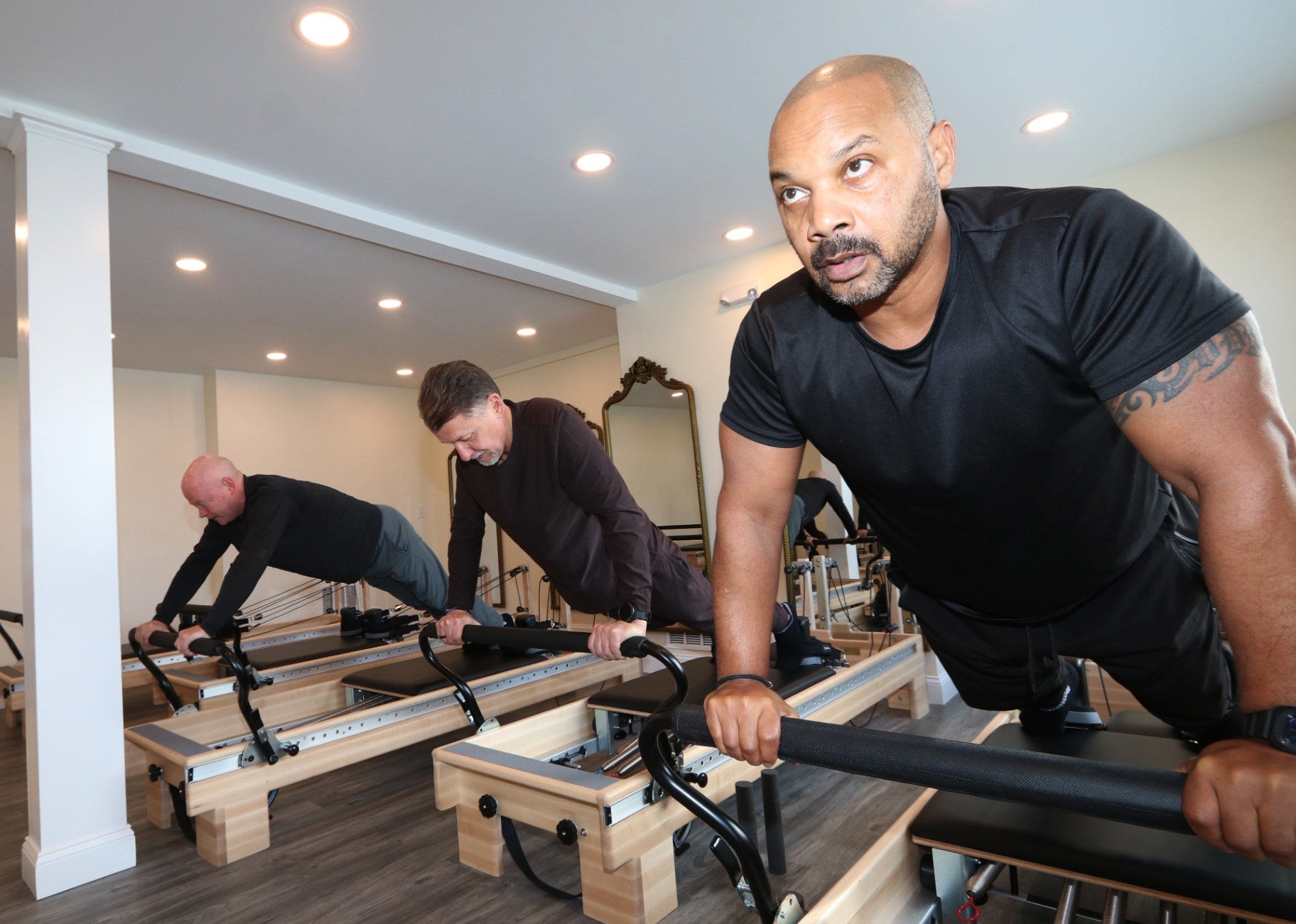
She landed on ten. Then she carved out a second room for the heated mat practice, infrared panels, springboards mounted to the wall, a deliberately separate atmosphere from the reformer side. Two rooms, two ways to move: Balanced Body's Konnector® Reformer for the architectural, full-body work, and an infrared mat-and-springboard room for the heat-driven mobility sessions she had begun to crave herself.
The Café, the Edit, the Idea
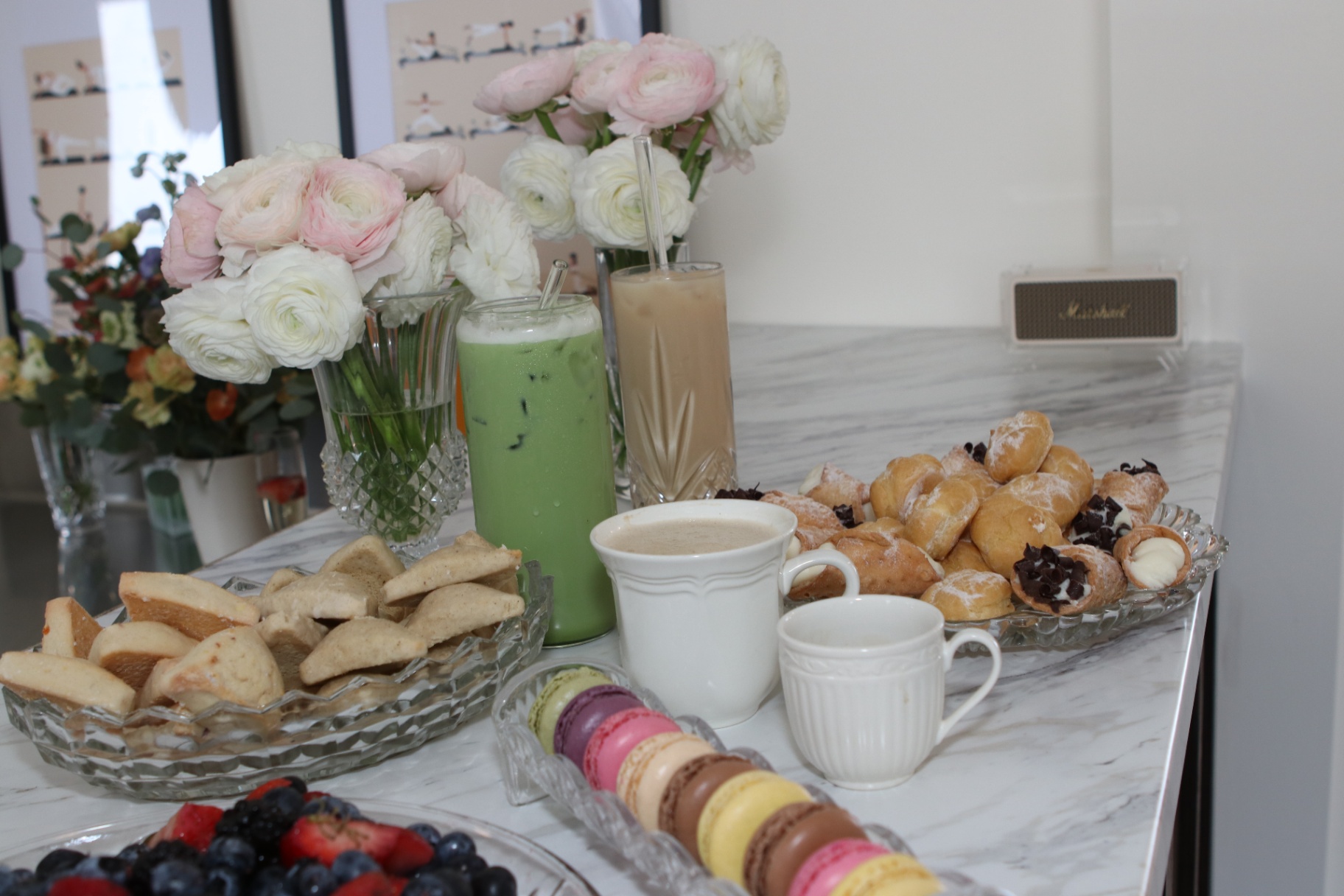
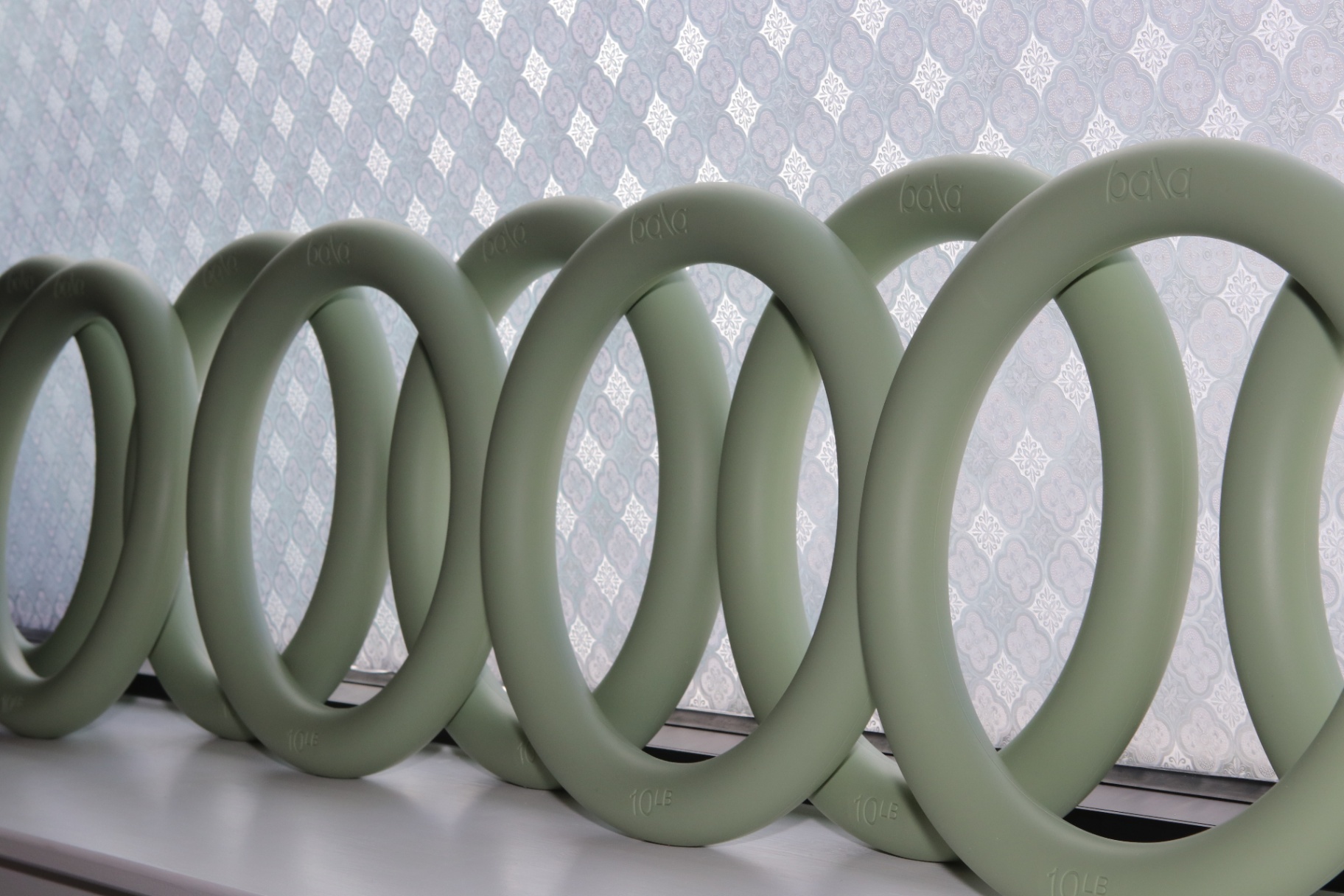
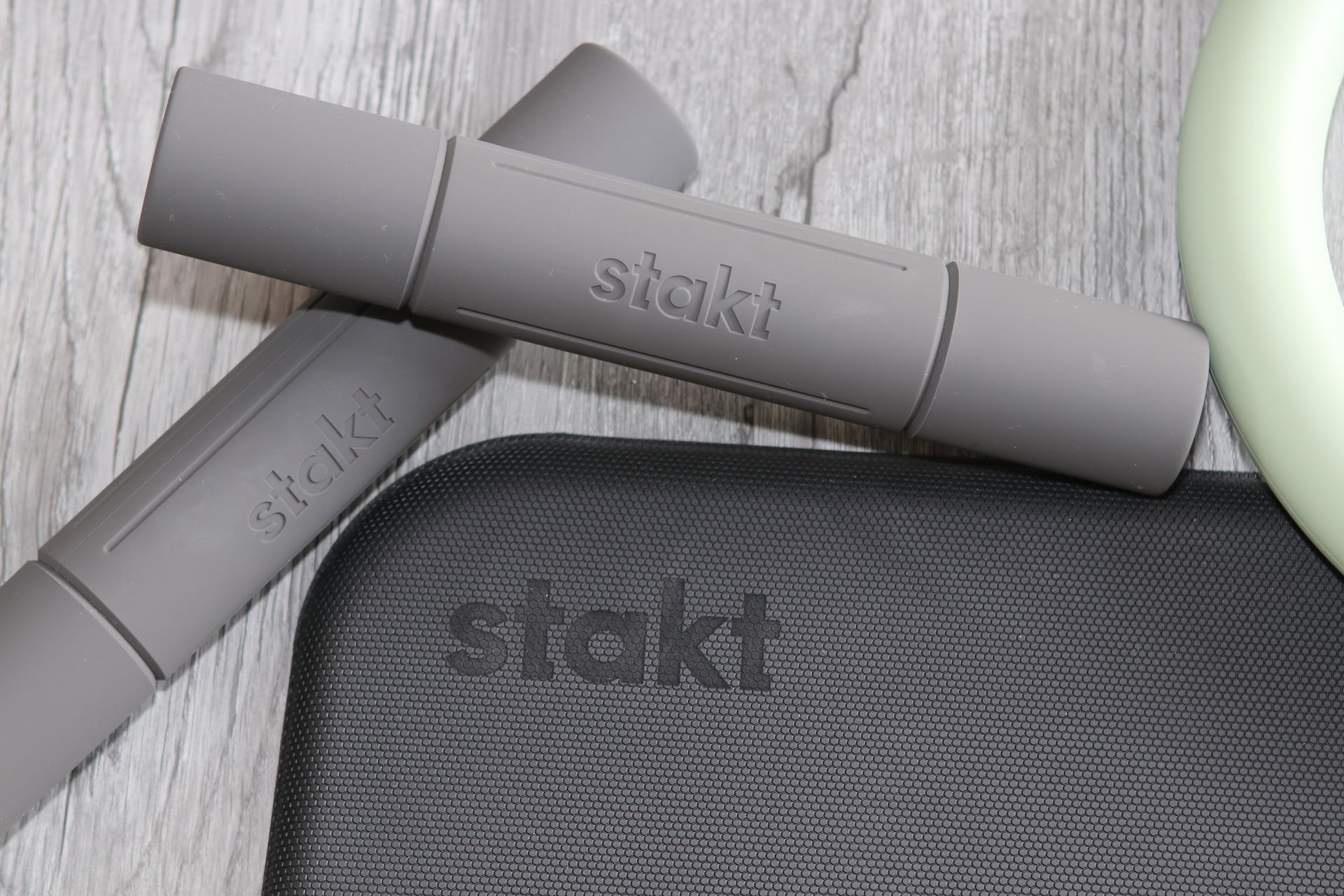
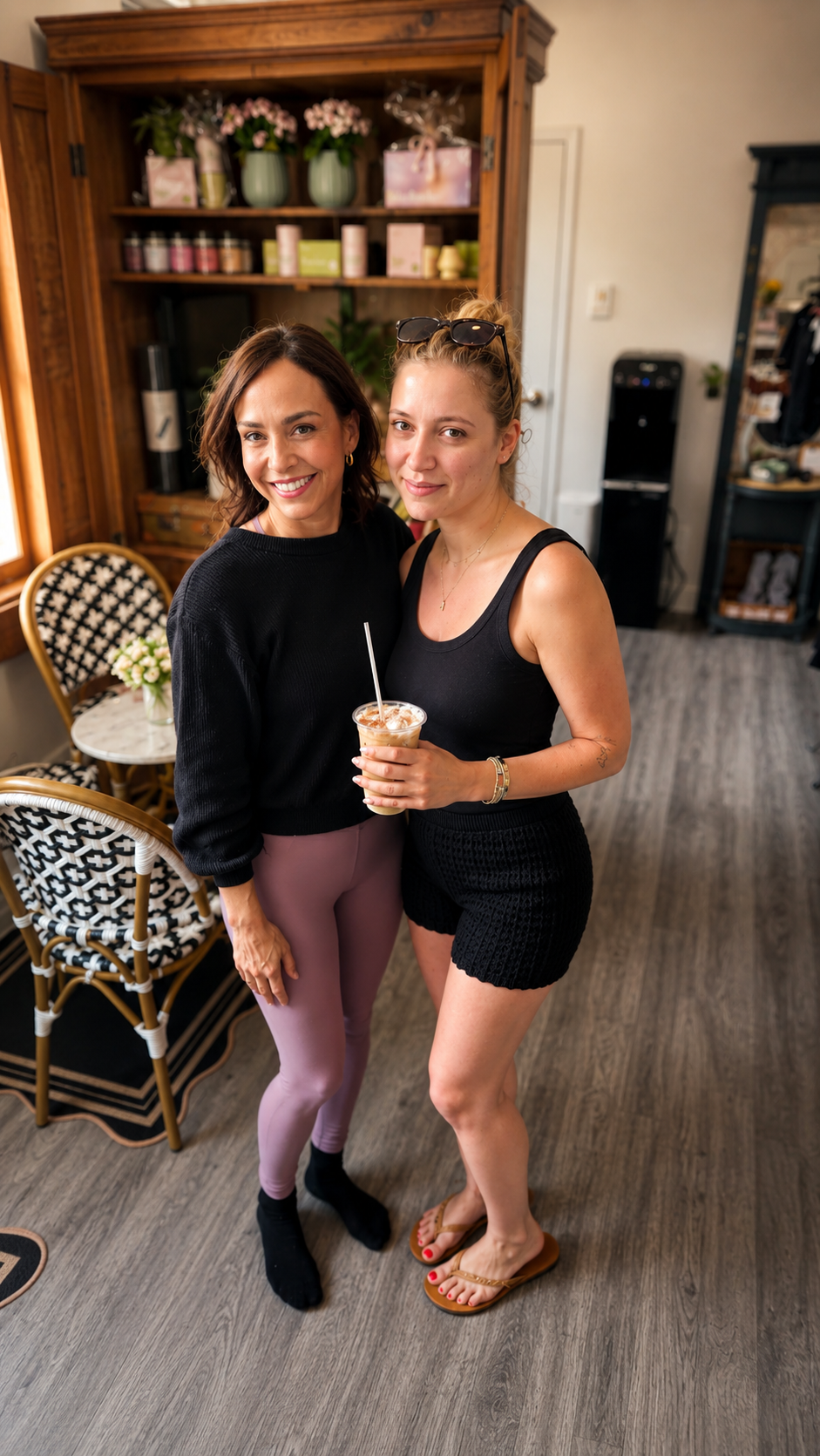
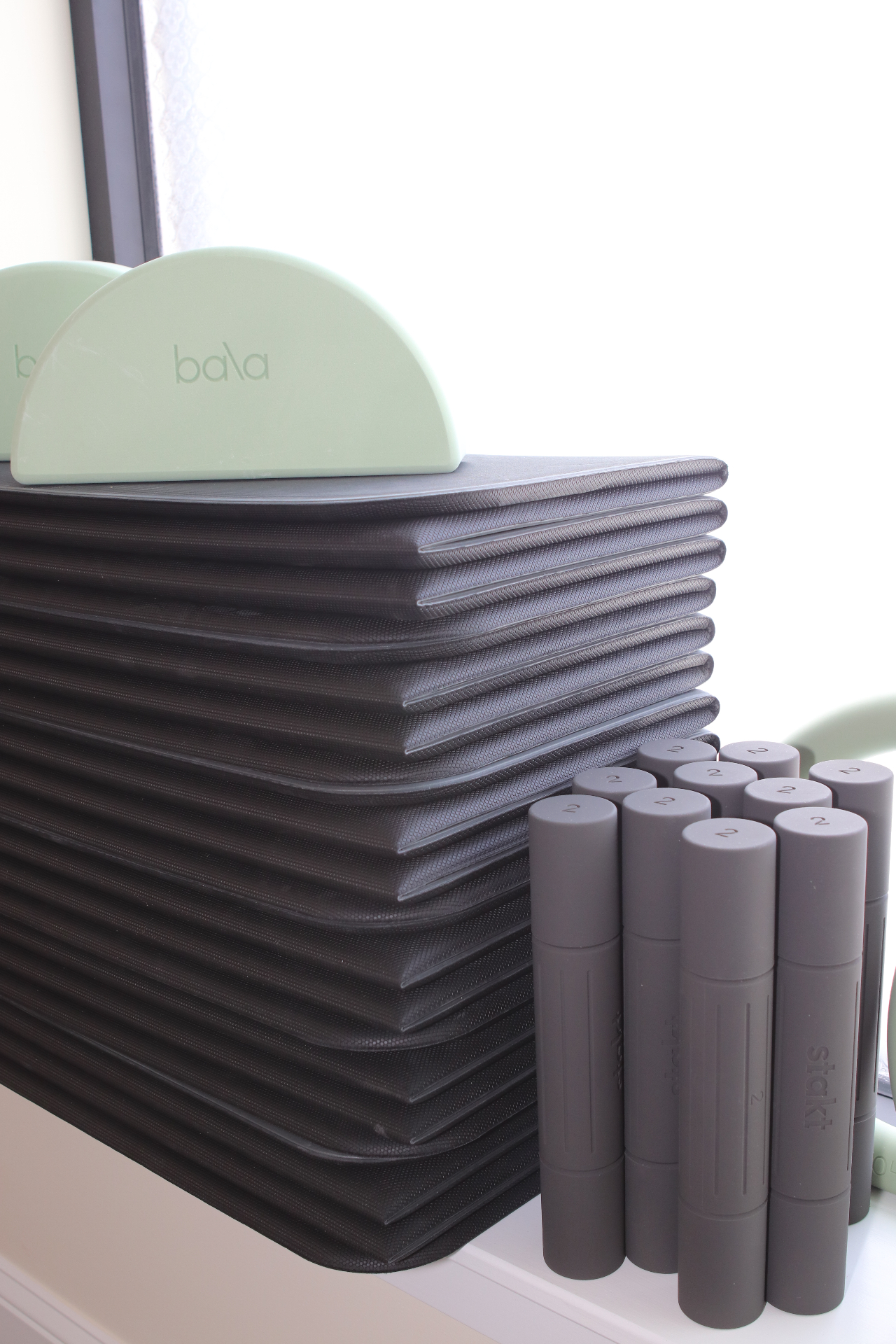
Across the threshold from the reformer room sits Bella Forma Café. It is small and intentional, espresso, matcha, the unhurried drink one wants after an hour of concentrated work, and it is the connective tissue that turns a workout into a morning. Beyond it, Bella Forma Style: a tightly curated edit of grip socks, leggings, mats, hand weights, and recovery comforts drawn from Bala, Stakt, Beyond Yoga, 437, Tavi, and Pilates Honey, among others. The selection is small on purpose. Silvestri is editing the way she once edited a friend's outfit before a benefit, every piece chosen for a specific woman doing a specific thing.

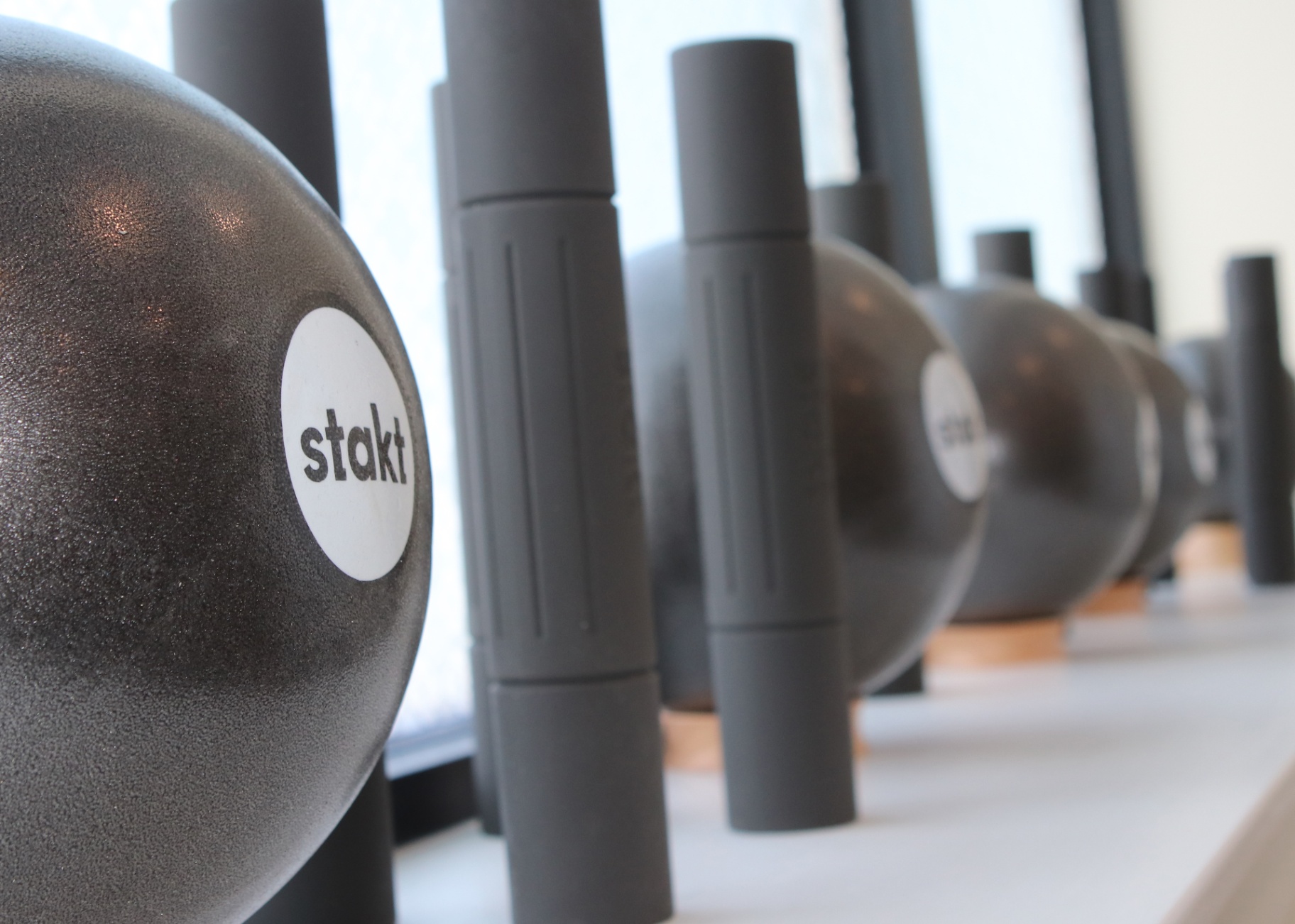
The cumulative effect is something Wilmington has not had before: a single address where the practice, the pause, and the wardrobe all live in the same architectural breath. There are studios. There are cafés. There are wellness boutiques. There has not, until now, been one room that quietly contains all three.
What Pilates Does, and What It Does Not
Silvestri is careful about what she promises. Pilates, in her telling, is not a cure. It is a discipline, what she calls "intelligent exercise for the mind, body, and spirit", and its rewards accrue slowly, in posture and breath and the quiet realization, somewhere around the fortieth class, that the body has begun to feel like itself again.
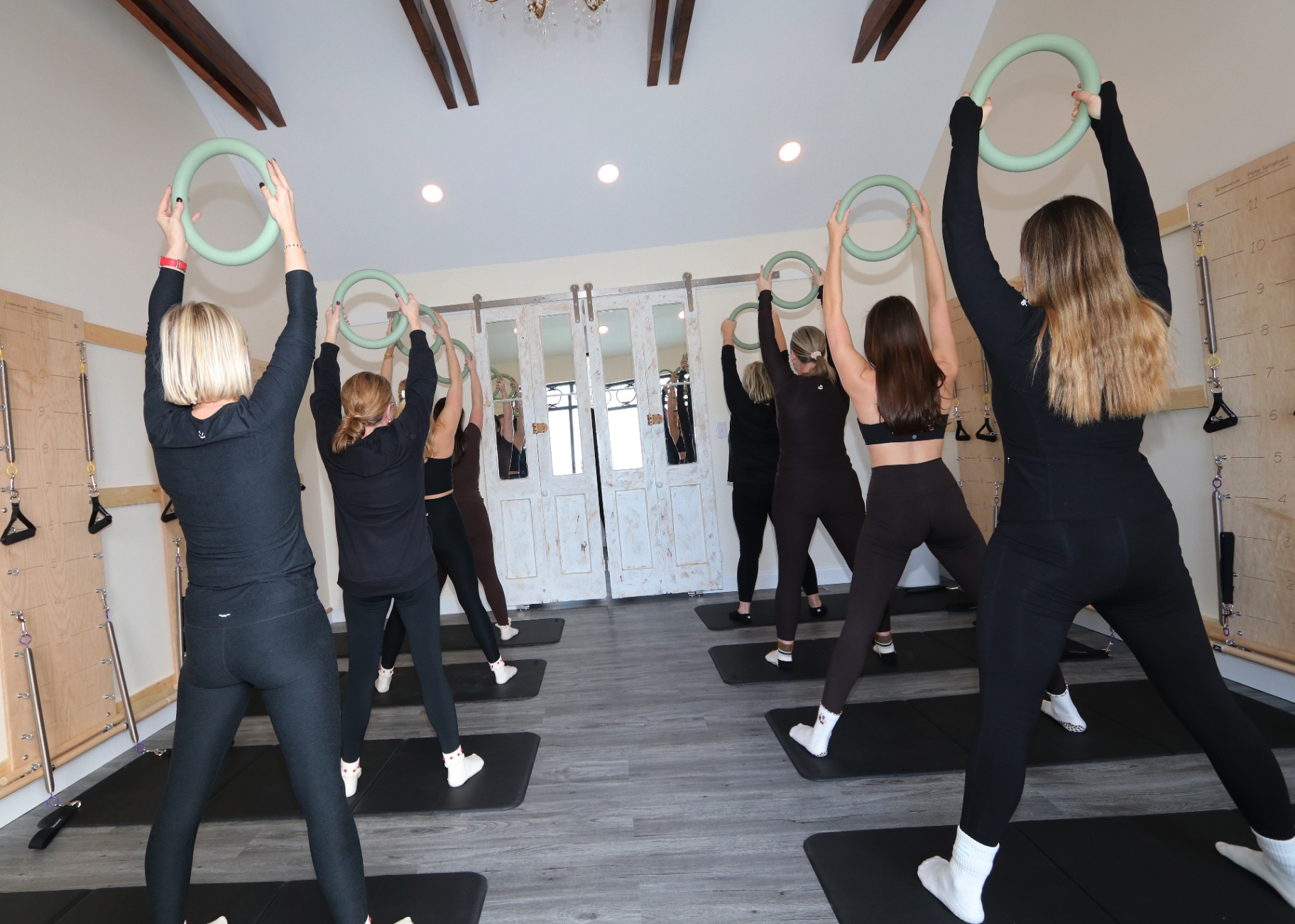
It is also, she points out, a community of women who have come to know each other in the half-light of early mornings. "I like women helping other women," she says, "and that is what Pilates is also about." On the morning we visit, a regular named Diana walks in and embraces her at the door. Another client, a few minutes late, laughs that she did not realize today's class was a heated session and arrived overdressed. Silvestri laughs with her. The studio, this early, feels less like a business than a parlor, a room where the same dozen people quietly perform the same small ritual together, and leave better for it.
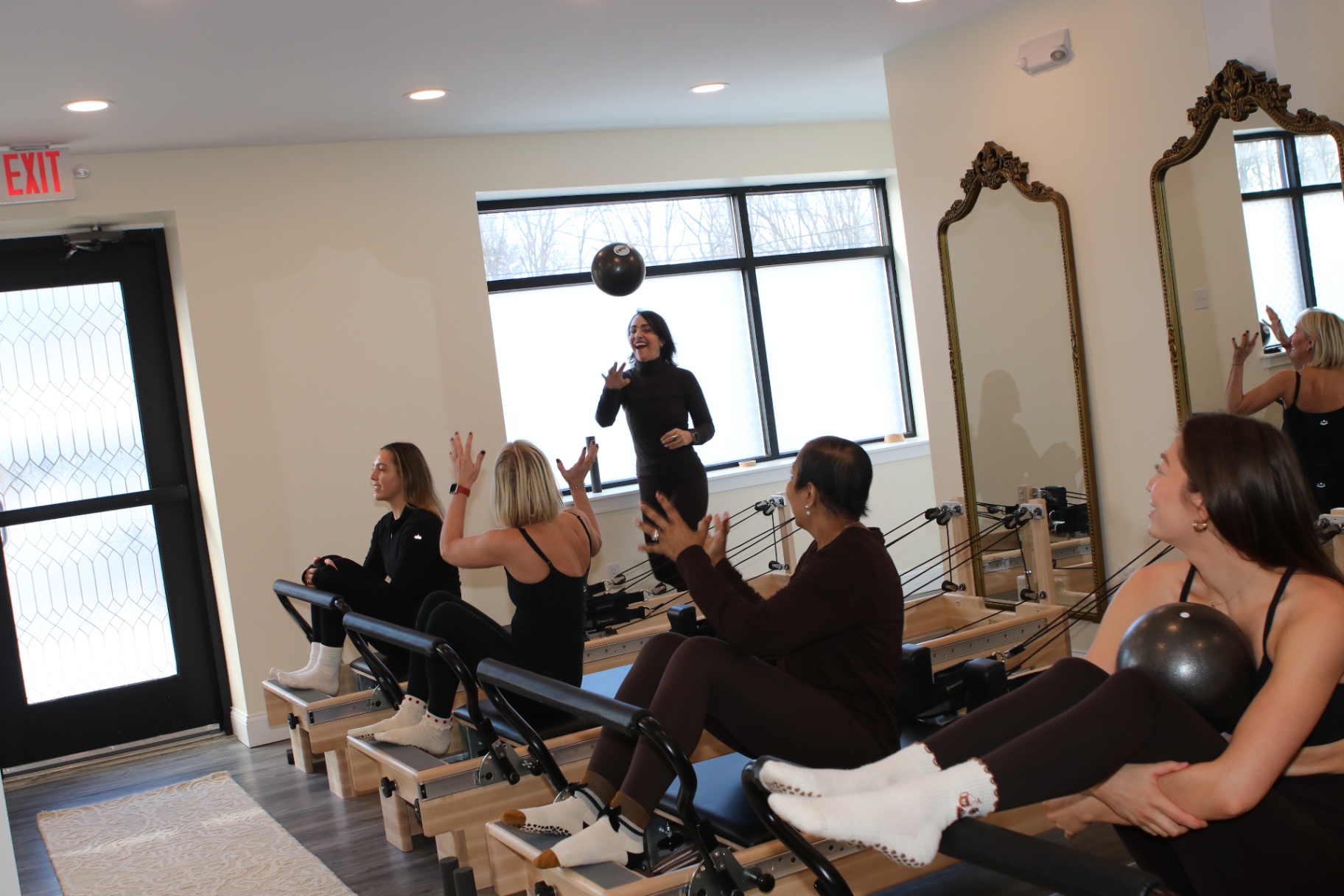
I was here at six in the morning teaching a class, and I did a private lesson last night until nine. I do not feel like I am working. That is what everybody wants, to be in a job where it does not feel like work.
The House That Silvestri Built
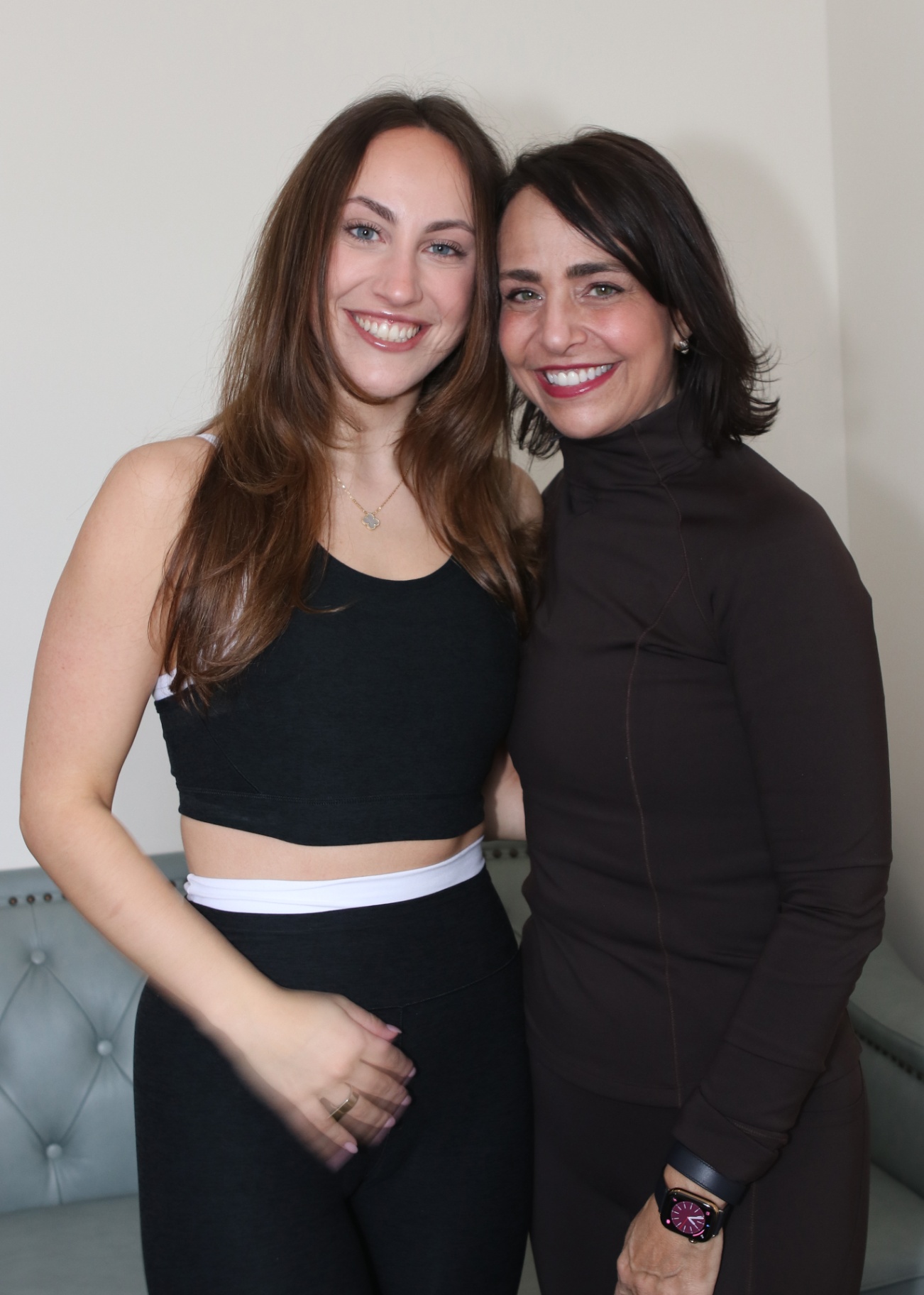
The studio, upon closer inspection, is a family affair. Silvestri's daughter Isabella, twenty-five, is pursuing her Pilates instructor certification in New York, threading the training around a corporate job of her own. Her son Max, sixteen, pulls shots behind the café counter, a barista with a schedule that ends when the last matcha does. The espresso machine, in a sense, is inherited.
The Beautiful Form
Bella Forma, the beautiful form, is the kind of name that could only have been chosen by someone who has spent thirty years naming things for other companies. It is precise. It is unembarrassed. It refuses the contemporary wellness industry's tendency to apologize for its own beauty. Silvestri has built, on the eastern edge of Wilmington, a room that takes the body seriously as an aesthetic object, the practice seriously as a craft, and the morning seriously as something worth slowing down for.
Twenty minutes from now, the first class will fill the carriages. The espresso machine will hiss to life. Someone will buy a pair of grip socks on the way out the door and feel, briefly, like a slightly better version of herself. The studio will exhale, and then it will inhale, and then it will do it again, for the next class, and the one after that, and the one after that.
It is, by any reasonable measure, a beautiful form of living. The fact that Amy Silvestri had to build it herself in order to find it is, in its quiet way, the most Delaware story of the year.
Visit · Book · Belong
Bella Forma Pilates
Reserve a reformer, claim a heated mat, or simply walk in for the coffee. Every morning begins again at six.
3003 Concord Pike · Wilmington, Delaware 19803